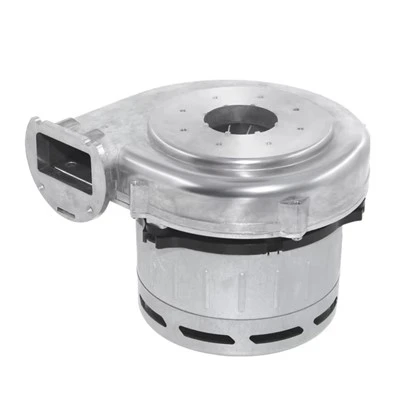
Hey there! As a supplier of BLDC blowers, I often get asked about the noise level of these nifty devices. So, I thought I'd take a deep dive into this topic and share some insights with you.
First off, let's quickly understand what a BLDC blower is. BLDC stands for Brushless Direct Current. Unlike traditional blowers with brushes that can wear out over time, BLDC blowers use electronic commutation, which offers several advantages like longer lifespan, higher efficiency, and better speed control.
Now, when it comes to the noise level of a BLDC blower, it's influenced by a bunch of factors. One of the main factors is the design of the blower itself. The shape and size of the impeller, the housing design, and the quality of the motor all play a role in how much noise the blower makes.
A well - designed impeller can move air more smoothly, reducing turbulence and thus noise. For example, impellers with aerodynamic shapes are better at minimizing the disruption of air flow, which in turn cuts down on the whooshing and whistling sounds that we often associate with blowers.
The housing of the blower also matters. A sturdy and well - sealed housing can contain the noise generated by the moving parts. If the housing is flimsy or has gaps, the noise can easily escape, making the blower seem louder than it actually is.
The motor is another crucial component. High - quality BLDC motors are engineered to run quietly. They have precise bearings that reduce friction and vibration, which are major sources of noise. Cheaper motors might have looser tolerances, leading to more rattling and humming.
Another factor that affects the noise level is the speed at which the blower is operating. Generally, the faster the blower spins, the louder it gets. This is because at higher speeds, the air is being moved more forcefully, creating more turbulence. Most BLDC blowers come with variable speed controls, which means you can adjust the speed according to your needs. If you don't need a high - volume of air, running the blower at a lower speed can significantly reduce the noise.
Let's talk about some real - world applications and the acceptable noise levels. In a home environment, like for ventilation in a bathroom or a small room, people usually prefer a blower that operates quietly. A noise level of around 40 - 50 decibels (dB) is considered acceptable. At this level, the blower won't be overly intrusive and won't disturb normal conversations or activities.
In industrial settings, the acceptable noise level can be higher. For example, in a factory where there are already other loud machines running, a blower with a noise level of 60 - 70 dB might be just fine. However, even in industrial environments, efforts are being made to reduce noise pollution, so quieter blowers are becoming more and more in demand.
As a supplier, we offer a range of BLDC blowers with different noise levels to suit various applications. Our 220V 1200W Long Life Brushless Blower is designed with noise reduction in mind. It uses a high - quality motor and an aerodynamic impeller to keep the noise level down while still providing a powerful air flow.
If you're looking for a blower that meets strict safety standards and also operates quietly, our UL Certified BLDC Blower is a great option. The UL certification ensures that the blower is safe to use, and the advanced design helps in minimizing noise.
For those who need a high - pressure blower with a relatively low noise level, our 1200W High Pressure BLDC Blower fits the bill. It's engineered to deliver high - pressure air without creating a lot of racket.


When it comes to measuring the noise level of a BLDC blower, it's usually done using a sound level meter. This device measures the intensity of sound in decibels. The measurement is typically taken at a specific distance from the blower, usually around 1 meter.
It's important to note that the noise level can also be affected by the installation of the blower. If the blower is not installed properly, for example, if it's not mounted securely or if the air ducts are not connected correctly, it can cause additional vibrations and noise.
So, if you're in the market for a BLDC blower and noise is a concern for you, there are a few things you can do. First, look at the product specifications. Reputable suppliers will provide information about the noise level of their blowers. Second, consider the application. If it's for a quiet environment, choose a blower with a lower noise rating.
If you have any questions about the noise level of our BLDC blowers or if you're interested in purchasing one, don't hesitate to reach out. We're here to help you find the perfect blower for your needs. Whether it's for a small home project or a large - scale industrial application, we've got you covered.
In conclusion, the noise level of a BLDC blower is influenced by multiple factors including design, speed, and installation. By choosing the right blower and installing it correctly, you can enjoy the benefits of a powerful air flow without being bothered by excessive noise. So, if you're thinking about upgrading your ventilation system or need a new blower for a specific project, give our BLDC blowers a thought. We're confident that you'll find a blower that meets your requirements in terms of both performance and noise level.
References:
- "Handbook of Ventilation Design" - This book provides in - depth knowledge about the design and performance of blowers, including factors affecting noise levels.
- "Motor Technology and Applications" - It offers insights into the operation of BLDC motors and how they impact the overall performance and noise of blowers.