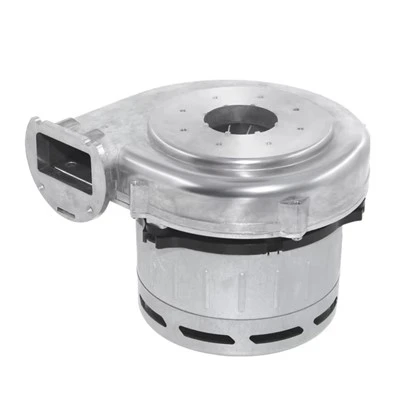
Can UL Certified BLDC blowers be used in chemical processing plants?
As a supplier of UL Certified BLDC blowers, I often receive inquiries about the suitability of our products for various industrial applications, especially in chemical processing plants. Chemical processing plants are complex environments with unique requirements and challenges. In this blog post, I will explore whether UL Certified BLDC blowers can be used in these settings, considering factors such as safety, performance, and compliance.
Understanding UL Certification
UL (Underwriters Laboratories) is a globally recognized independent safety science company. UL certification indicates that a product has been tested and meets specific safety standards. For BLDC (Brushless Direct Current) blowers, UL certification ensures that the product has undergone rigorous testing for electrical safety, fire resistance, and other critical safety aspects. This certification is a mark of quality and reliability, providing assurance to customers that the product has met strict safety requirements.
Safety Considerations in Chemical Processing Plants
Chemical processing plants deal with a wide range of hazardous chemicals, including flammable, corrosive, and toxic substances. Safety is of utmost importance in these environments to prevent accidents, protect workers, and minimize environmental impact. When considering the use of BLDC blowers in chemical processing plants, several safety factors need to be taken into account:
Explosion Hazard
Many chemicals used in chemical processing are flammable, and any source of ignition can pose a significant risk. UL Certified BLDC blowers are designed to minimize the risk of electrical sparks and overheating, which are potential ignition sources. However, in areas where there is a high risk of explosion, additional safety measures may be required, such as using explosion-proof enclosures or intrinsically safe designs.
Corrosion Resistance
Chemicals can be highly corrosive, and the blower components need to be able to withstand exposure to these substances without deteriorating. UL Certified BLDC blowers can be constructed with corrosion-resistant materials, such as stainless steel or special coatings, to ensure long-term durability in corrosive environments.
Toxicity and Contamination
In some chemical processing applications, there is a risk of the blower coming into contact with toxic substances. The blower design should prevent the contamination of the process air or the environment. UL Certified blowers are designed to meet strict standards for air quality and can be equipped with filters or other purification systems to ensure that the air discharged is clean and safe.
Performance Requirements in Chemical Processing Plants
In addition to safety, the performance of the BLDC blowers is also crucial in chemical processing plants. The blowers need to be able to provide the required airflow, pressure, and temperature control to meet the specific process requirements. Some of the key performance factors to consider include:
Airflow and Pressure
Chemical processes often require a specific amount of airflow and pressure to ensure proper mixing, ventilation, or product transfer. UL Certified BLDC blowers can be designed to provide a wide range of airflow and pressure capabilities, allowing them to be customized to meet the specific needs of different chemical processing applications.
Temperature Control
Some chemical processes generate heat, and the blowers need to be able to handle high temperatures without compromising performance. UL Certified BLDC blowers can be equipped with cooling systems or heat-resistant materials to ensure that they can operate effectively in high-temperature environments.
Energy Efficiency
Energy consumption is a significant cost factor in chemical processing plants. UL Certified BLDC blowers are known for their high energy efficiency, which can help reduce operating costs and environmental impact. By using advanced motor technology and optimized fan designs, these blowers can provide the same or better performance with less energy consumption compared to traditional blowers.
Compliance with Industry Standards
Chemical processing plants are subject to various industry standards and regulations, including those related to safety, environmental protection, and product quality. UL Certified BLDC blowers are designed to meet or exceed these standards, providing assurance to customers that the products are compliant with the relevant requirements. Some of the key standards that may apply to BLDC blowers in chemical processing plants include:
OSHA Regulations
The Occupational Safety and Health Administration (OSHA) sets standards for workplace safety in the United States. BLDC blowers used in chemical processing plants need to comply with OSHA regulations related to electrical safety, ventilation, and hazard communication.
EPA Regulations
The Environmental Protection Agency (EPA) regulates the environmental impact of industrial processes. BLDC blowers need to comply with EPA regulations related to air quality, emissions, and waste management.
International Standards
In addition to national regulations, chemical processing plants may also need to comply with international standards, such as those set by the International Electrotechnical Commission (IEC) or the European Union (EU). UL Certified BLDC blowers can be designed to meet these international standards, making them suitable for use in global markets.
Our UL Certified BLDC Blower Products
As a supplier of UL Certified BLDC blowers, we offer a wide range of products that are suitable for various chemical processing applications. Our products are designed to meet the highest standards of safety, performance, and reliability. Some of our popular products include:


- BLDC Motor for Food Waste Disposer: This product is specifically designed for use in food waste disposers, but it can also be used in other applications where a high-performance BLDC motor is required.
- 230V High Pressure Brushless Blower: This blower is capable of providing high pressure and airflow, making it suitable for applications such as chemical ventilation and pneumatic conveying.
- 800W High Pressure BLDC Blower: This high-power blower is designed for demanding applications that require high pressure and airflow, such as chemical reactors and distillation columns.
Conclusion
In conclusion, UL Certified BLDC blowers can be used in chemical processing plants, but careful consideration needs to be given to safety, performance, and compliance. These blowers offer several advantages, including high energy efficiency, reliability, and compliance with industry standards. However, in some cases, additional safety measures may be required to ensure the safe operation of the blowers in hazardous environments.
If you are considering using UL Certified BLDC blowers in your chemical processing plant, we encourage you to contact us for more information. Our team of experts can help you select the right blower for your specific application and provide you with customized solutions to meet your needs. We are committed to providing high-quality products and excellent customer service, and we look forward to working with you to ensure the success of your chemical processing operations.
References
- Underwriters Laboratories. (n.d.). UL Standards and Certification. Retrieved from [UL website]
- Occupational Safety and Health Administration. (n.d.). OSHA Standards. Retrieved from [OSHA website]
- Environmental Protection Agency. (n.d.). EPA Regulations. Retrieved from [EPA website]
- International Electrotechnical Commission. (n.d.). IEC Standards. Retrieved from [IEC website]
- European Union. (n.d.). EU Regulations. Retrieved from [EU website]