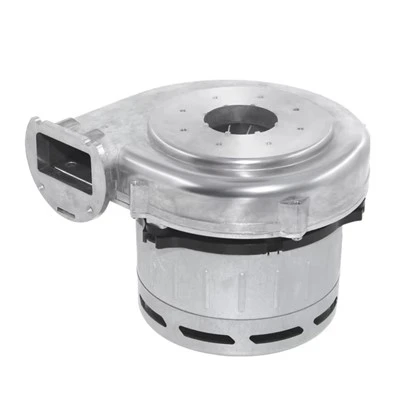
Hey there! As a supplier of Peripheral By Pass BLDC Blowers, I often get asked about the power factor of these nifty devices. So, let's dive right in and break it down in a way that's easy to understand.
First off, what's a power factor anyway? Well, it's a measure of how effectively electrical power is being used in a system. In simple terms, it tells us how much of the electrical power supplied to a device is actually being converted into useful work. A power factor of 1 means that all the power is being used efficiently, while a lower power factor indicates that some of the power is being wasted.
Now, let's talk about Peripheral By Pass BLDC Blowers. These blowers are pretty cool because they use a brushless DC (BLDC) motor, which is known for its high efficiency and reliability. The peripheral by-pass design allows for better airflow and pressure control, making them ideal for a variety of applications.
So, what's the power factor of a Peripheral By Pass BLDC Blower? Well, it can vary depending on a few factors, such as the motor design, the load on the blower, and the operating conditions. In general, though, these blowers tend to have a relatively high power factor, usually in the range of 0.9 to 0.95. That means they're pretty efficient at converting electrical power into mechanical power, which is great news for both the environment and your wallet.
One of the reasons why Peripheral By Pass BLDC Blowers have such a high power factor is because of the way the BLDC motor works. Unlike traditional brushed motors, which use brushes to transfer electrical current to the motor's coils, BLDC motors use electronic commutation to control the flow of current. This results in less energy loss and a more efficient operation.
Another factor that can affect the power factor of a Peripheral By Pass BLDC Blower is the load on the blower. When the blower is operating at full capacity, it may draw more power and have a slightly lower power factor. However, when the blower is operating at a lower load, it can be more efficient and have a higher power factor. That's why it's important to choose the right size blower for your application to ensure that it's operating at its most efficient level.
The operating conditions can also play a role in the power factor of a Peripheral By Pass BLDC Blower. For example, if the blower is operating in a hot environment, it may have to work harder to maintain its performance, which can result in a lower power factor. On the other hand, if the blower is operating in a cool environment, it may be more efficient and have a higher power factor.
So, why is the power factor of a Peripheral By Pass BLDC Blower important? Well, there are a few reasons. First of all, a high power factor means that the blower is using less energy to operate, which can save you money on your electricity bills. It also means that the blower is more environmentally friendly, as it's producing less waste heat and reducing your carbon footprint.
In addition, a high power factor can also improve the performance of your electrical system. When the power factor is low, it can cause the electrical system to draw more current than necessary, which can lead to voltage drops, overheating, and other problems. By using a blower with a high power factor, you can help to ensure that your electrical system is operating efficiently and safely.
Now, let's talk about some of the applications where Peripheral By Pass BLDC Blowers are commonly used. These blowers are often used in industrial applications, such as ventilation systems, cooling systems, and air handling units. They're also popular in the automotive industry, where they're used for things like engine cooling and cabin ventilation.
In addition, Peripheral By Pass BLDC Blowers are also used in a variety of other applications, such as medical equipment, electronics cooling, and laser machines. For example, the BLDC Blower for Laser Machine is specifically designed to provide high-pressure airflow for cooling laser systems, ensuring that they operate at their optimal temperature and performance.
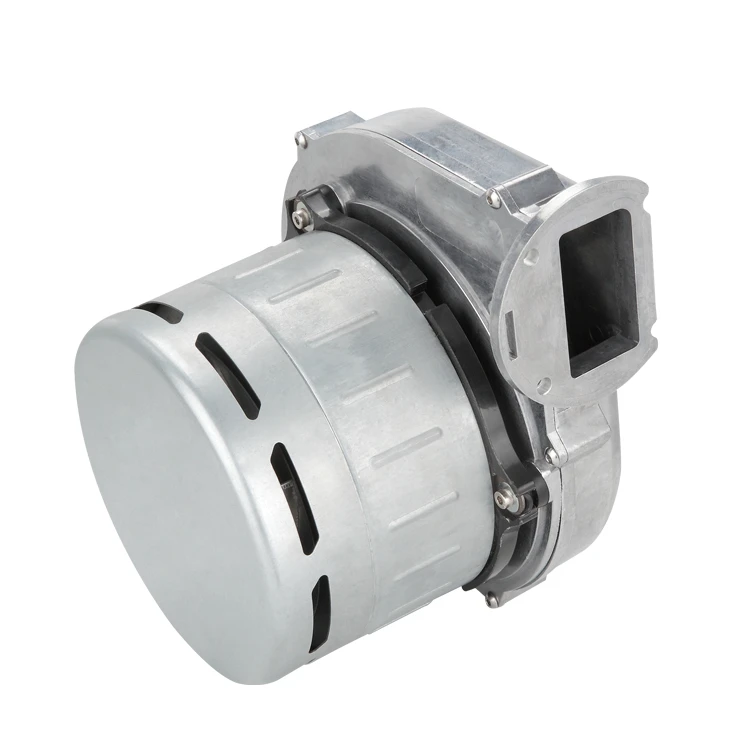

Another popular application for Peripheral By Pass BLDC Blowers is in high-temperature environments. The High Temperature Air Blower is designed to withstand temperatures up to 200°C, making it ideal for use in applications such as ovens, dryers, and furnaces.
If you're looking for a high-performance blower that can handle high-pressure applications, then you might want to check out the 1000W High Pressure BLDC Blower. This blower is capable of producing up to 1000W of power and can provide a high-pressure airflow for a variety of applications.
In conclusion, the power factor of a Peripheral By Pass BLDC Blower is an important factor to consider when choosing a blower for your application. These blowers tend to have a relatively high power factor, which means they're efficient at converting electrical power into mechanical power. By choosing a blower with a high power factor, you can save money on your electricity bills, reduce your carbon footprint, and improve the performance of your electrical system.
If you're interested in learning more about Peripheral By Pass BLDC Blowers or would like to discuss your specific application requirements, please don't hesitate to get in touch. We'd be happy to help you find the right blower for your needs and answer any questions you may have.
References:
- "Brushless DC Motors: Theory, Design, and Application" by Ned Mohan
- "Electric Motors and Drives: Fundamentals, Types, and Applications" by Austin Hughes