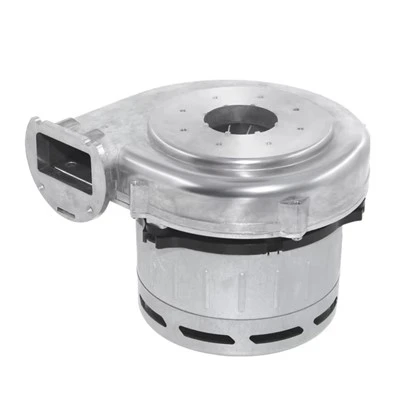
Hey there! As a supplier of Through Flow Brushless Blowers, I've had my fair share of experiences with these nifty little machines. They've got a lot going for them, like high efficiency, long lifespan, and low maintenance. But just like anything else in life, they're not perfect. In this blog, I'm gonna talk about some of the disadvantages of Through Flow Brushless Blowers.
1. High Initial Cost
One of the biggest drawbacks of Through Flow Brushless Blowers is the high initial cost. Compared to traditional blowers with brushes, these brushless models are significantly more expensive. The reason behind this is the advanced technology and components used in their construction. Brushless motors, for example, are more complex and require more precise manufacturing processes. Plus, the control systems that manage the operation of these blowers also add to the cost.


If you're on a tight budget, this can be a real deal - breaker. You might find yourself looking at other, more affordable blower options. However, it's important to remember that while the upfront cost is high, the long - term savings in terms of energy efficiency and reduced maintenance can offset this initial expense.
2. Complexity in Repair and Maintenance
Repairing and maintaining Through Flow Brushless Blowers can be a bit of a headache. These blowers are equipped with sophisticated electronics and control systems. If something goes wrong, it's not always easy to diagnose the problem. You can't just open up the blower and replace a worn - out brush like you would with a traditional blower.
In many cases, you need specialized knowledge and tools to work on these machines. This means that you either have to send the blower back to the manufacturer for repair or hire a professional technician. Both options can be costly and time - consuming. And if you're in a situation where you need the blower up and running quickly, this complexity can be a major inconvenience.
3. Limited Compatibility
Through Flow Brushless Blowers may not be compatible with all systems. They are designed to work within specific parameters and may not integrate well with older or less - advanced equipment. For instance, if you have an existing ventilation system that was designed for a different type of blower, installing a Through Flow Brushless Blower might require significant modifications to the system.
This limited compatibility can also extend to power sources. Some brushless blowers are designed to work with specific voltage and frequency requirements. If your power supply doesn't match these requirements, you'll need to invest in additional equipment like voltage converters, which adds to the overall cost.
4. Noise at High Speeds
While Through Flow Brushless Blowers are generally quieter than traditional blowers, they can still produce a fair amount of noise when operating at high speeds. The high - speed rotation of the impeller and the airflow through the blower can create a whistling or humming sound. This noise can be a problem in environments where quiet operation is essential, such as in hospitals, libraries, or residential areas.
To mitigate this issue, some manufacturers offer noise - reducing features, but these can add to the cost of the blower. And even with these features, it may not be possible to completely eliminate the noise, especially when the blower is running at full capacity.
5. Sensitivity to Environmental Conditions
These blowers can be quite sensitive to environmental conditions. High temperatures, humidity, and dust can all have a negative impact on their performance and lifespan. For example, in a hot and humid environment, the electronics in the blower can overheat, leading to premature failure. Dust can also accumulate on the impeller and other components, reducing the efficiency of the blower and increasing the risk of mechanical problems.
To protect the blower from these environmental factors, you may need to install additional equipment such as air filters and cooling systems. This not only adds to the cost but also requires extra space and maintenance.
6. Availability of Spare Parts
Finding spare parts for Through Flow Brushless Blowers can be a challenge. Since these blowers use specialized components, not all suppliers carry the parts you need. This means that if a part fails, you may have to wait for a long time to get a replacement.
In some cases, you may even find that certain parts are no longer available, especially if the blower is an older model. This can be a major problem if you rely on the blower for your business operations.
Comparison with Other Blower Types
It's worth comparing Through Flow Brushless Blowers with other types of blowers like the High Pressure Air Blower, Tangential By Pass BLDC Blower, and Peripheral By Pass BLDC Blower.
High Pressure Air Blowers, for example, are designed to generate high - pressure airflows. They may be more suitable for applications where a strong and concentrated airflow is required, such as in industrial drying processes. Tangential By Pass BLDC Blowers and Peripheral By Pass BLDC Blowers have their own unique designs and performance characteristics. Depending on your specific needs, these other types of blowers may offer advantages over Through Flow Brushless Blowers.
Conclusion
Despite these disadvantages, Through Flow Brushless Blowers still have a lot to offer. Their energy efficiency, long lifespan, and low - maintenance nature make them a great choice for many applications. If you're willing to invest in the upfront cost and deal with the occasional challenges, they can be a valuable addition to your system.
If you're considering purchasing a Through Flow Brushless Blower or have any questions about our products, feel free to reach out. We're here to help you make the right decision for your specific needs. Whether you're in the market for a blower for a small - scale project or a large - scale industrial application, we've got the expertise and the products to meet your requirements. Let's have a chat and see how we can work together!
References
- Industry research reports on blower technology
- Manufacturer's manuals for Through Flow Brushless Blowers
- Technical papers on the operation and maintenance of brushless motors