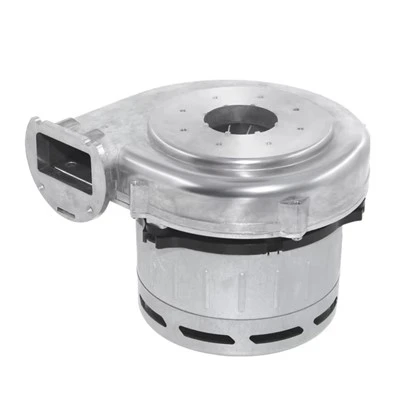
Hey there! As a supplier of brushless turbines, I've seen my fair share of issues when it comes to these nifty pieces of equipment. Brushless turbines are awesome because they're efficient, reliable, and have a long lifespan. But like any mechanical or electrical device, they can run into problems from time to time. In this blog, I'm gonna walk you through some common issues with brushless turbines and how you can troubleshoot them.
1. No Power or Startup Problems
The first and probably the most frustrating problem is when your brushless turbine just won't start. There could be a few reasons for this.
Check the Power Supply
The most basic thing you need to do is check if the turbine is actually getting power. Make sure the power cord is plugged in properly and that the outlet is working. You can test the outlet by plugging in another device. If the outlet is fine, but the turbine still won't start, there might be an issue with the power switch on the turbine itself. Sometimes, the switch can get stuck or malfunction. You can try gently wiggling the switch to see if that fixes the problem.
Inspect the Fuse
Many brushless turbines have a fuse as a safety measure. If the fuse is blown, the turbine won't get power. You can usually find the fuse in the power cord or near the power input on the turbine. Use a multimeter to check if the fuse is working. If it's blown, replace it with a fuse of the same rating.
Motor Issues
If the power supply and fuse are okay, the problem might be with the motor. A seized motor won't turn, which means the turbine won't start. You can try manually rotating the motor shaft to see if it moves freely. If it's stuck, there could be debris or a mechanical problem inside the motor. In this case, you might need to open the motor and clean it or replace any damaged parts.
2. Overheating
Overheating is another common problem with brushless turbines. This can not only damage the turbine but also pose a safety risk.


Check the Ventilation
Brushless turbines need proper ventilation to dissipate heat. Make sure that the vents on the turbine are not blocked by dust, debris, or other objects. You can use a soft brush or compressed air to clean the vents. Also, ensure that the turbine is placed in a well - ventilated area. Don't put it in a closed cabinet or against a wall where air can't circulate freely.
Load and Usage
If you're using the turbine at a higher load than it's rated for, it can overheat. Check the specifications of your turbine and make sure you're not pushing it beyond its limits. For example, if the turbine is designed for a certain airflow rate, don't try to force it to work at a much higher rate.
Motor Efficiency
A motor that is not running efficiently can also cause overheating. This could be due to worn - out bearings, a damaged stator, or other electrical problems. If you suspect motor inefficiency, it's best to have a professional technician take a look at it.
3. Unusual Noises
Hearing strange noises coming from your brushless turbine is never a good sign. It could indicate a mechanical or electrical problem.
Loose Parts
Sometimes, the noise can be caused by loose parts inside the turbine. Check if any screws or bolts are loose and tighten them if necessary. You can also gently shake the turbine (while it's turned off) to see if you can hear any rattling sounds, which would indicate loose parts.
Bearing Problems
Worn - out or damaged bearings can make a grinding or squealing noise. If you suspect bearing problems, you'll need to replace the bearings. This is a more advanced repair, so if you're not comfortable doing it yourself, it's best to take the turbine to a professional.
Airflow Disturbances
Unusual noises can also be caused by airflow disturbances. Check if there are any objects in the airflow path that could be causing turbulence. For example, a loose piece of ductwork or a foreign object in the intake or exhaust can create noise.
4. Reduced Performance
If your brushless turbine is not performing as well as it used to, there are a few things you can check.
Filter Condition
Many brushless turbines have filters to remove dust and other particles from the air. A dirty or clogged filter can restrict airflow and reduce the turbine's performance. Check the filter and clean or replace it if necessary.
Impeller Damage
The impeller is the part of the turbine that moves the air. If it's damaged, the turbine won't be able to generate the same amount of airflow. Inspect the impeller for any signs of cracks, chips, or bent blades. If it's damaged, you'll need to replace it.
Electrical Issues
Electrical problems such as a faulty capacitor or a problem with the control board can also reduce the turbine's performance. If you have some electrical knowledge, you can use a multimeter to check the components. Otherwise, it's best to call in an expert.
Our Product Range
At our company, we offer a wide range of brushless turbines and related products. For example, we have the Through Flow BLDC Blower, which is great for applications where a straight - through airflow is required. We also have the BLDC Blower for Beauty Equipment, designed specifically for the beauty industry. And if you need a powerful exhaust solution, our Centrifugal Exhaust Fan Blower is a great choice.
Let's Connect
If you're having trouble troubleshooting your brushless turbine or if you're interested in purchasing our products, don't hesitate to reach out. We're here to help you find the best solutions for your needs. Whether you're a small business or a large industrial operation, we have the right products and expertise to assist you.
References
- "Brushless DC Motors: Theory, Design, and Application" by Ned Mohan
- "Industrial Fan Handbook" by Heinz Bloch and Geza Joos