


Installing a Peripheral By Pass (PBP) BLDC (Brushless Direct Current) blower is a task that, while it may seem daunting at first, can be accomplished with the right knowledge and tools. As a supplier of high - quality PBP BLDC blowers, I'm here to guide you through the installation process step by step.
Understanding the Peripheral By Pass BLDC Blower
Before we dive into the installation process, it's essential to understand what a PBP BLDC blower is and how it works. These blowers are designed to provide efficient and reliable air movement in a variety of applications. The BLDC technology offers several advantages over traditional brushed motors, such as higher efficiency, longer lifespan, and less maintenance.
The peripheral by - pass mechanism allows the blower to handle higher static pressures, making them suitable for use in systems that require a significant amount of airflow against resistance. This makes them ideal for applications like HVAC systems, industrial ventilation, and vacuum systems.
Step - by - Step Installation Guide
Step 1: Gather the Necessary Tools and Materials
- Screwdriver set (both flat - head and Phillips - head)
- Wrench set
- Electrical tape
- Wire strippers
- Mounting hardware (bolts, nuts, washers)
- The PBP BLDC blower itself
- Safety goggles and gloves
It's important to ensure that you have all the tools and materials on hand before you start the installation process. This will save you time and prevent any unnecessary delays.
Step 2: Choose the Installation Location
Select a suitable location for the blower. The location should be well - ventilated to prevent overheating. It should also be close to the power source and the system it will be connected to. Make sure the surface where you plan to mount the blower is flat and sturdy. Avoid areas with excessive moisture or dust, as this can damage the blower over time.
Step 3: Mount the Blower
- Place the blower on the chosen mounting surface.
- Align the mounting holes on the blower with the holes on the surface.
- Insert the bolts through the holes and secure them with nuts and washers. Use a wrench to tighten the nuts firmly.
- Ensure that the blower is level and properly secured. A loose blower can cause vibrations and noise, and may even lead to premature failure.
Step 4: Connect the Air Ducts
- If your blower is part of a ventilation system, you will need to connect the air ducts.
- Measure and cut the air ducts to the appropriate length.
- Use clamps or duct tape to secure the ducts to the blower's inlet and outlet ports.
- Make sure the connections are airtight to prevent air leaks. Air leaks can reduce the efficiency of the blower and the overall performance of the system.
Step 5: Electrical Connections
- Before making any electrical connections, ensure that the power is turned off at the main switch.
- Identify the power supply wires and the blower's terminals.
- Use wire strippers to remove a small section of insulation from the ends of the wires.
- Connect the power supply wires to the appropriate terminals on the blower. Follow the wiring diagram provided with the blower.
- Once the connections are made, wrap them with electrical tape to prevent short - circuits.
Step 6: Test the Blower
- Turn on the power at the main switch.
- Observe the blower's operation. It should start smoothly and run quietly.
- Check for any unusual vibrations, noises, or overheating. If you notice any problems, turn off the power immediately and check your connections.
- Measure the airflow and static pressure to ensure that the blower is operating within the specified parameters.
Troubleshooting Tips
- If the blower does not start, check the power supply and the electrical connections. Make sure the power switch is on and that the wires are properly connected.
- If there is excessive noise or vibration, check the mounting to ensure the blower is securely fastened. Also, check the air ducts for any blockages.
- If the airflow is lower than expected, check for air leaks in the ductwork and make sure the air intake and outlet ports are not blocked.
Our Product Range
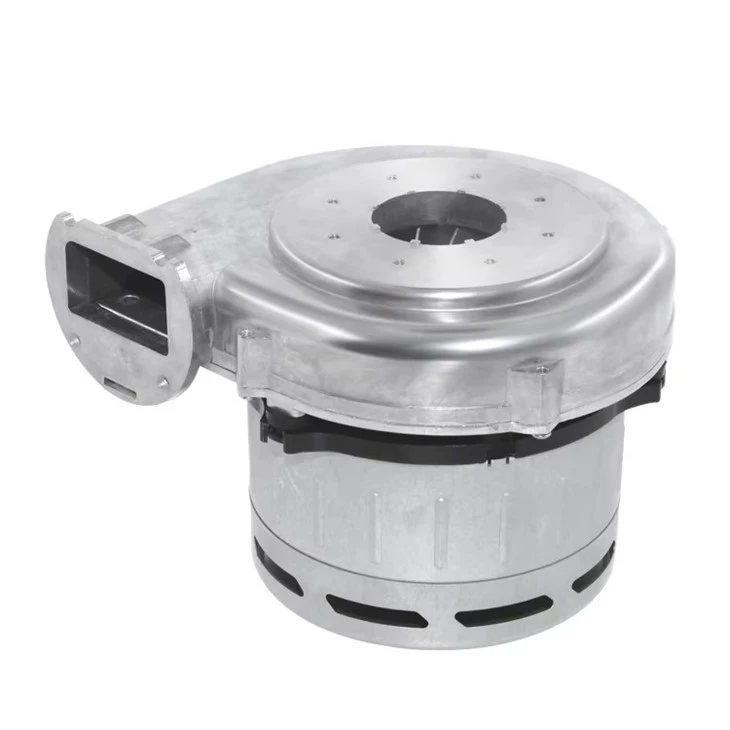
As a supplier of PBP BLDC blowers, we offer a wide range of products to meet your specific needs. For example, our 3.6 Inch High Static Pressure Brushless Air Blower 24V 320W is perfect for applications that require high - pressure air movement. It is designed to be energy - efficient and reliable, making it a popular choice among our customers.
If you are looking for a more compact option, our 3.6 Inch Side Pipe Vacuum Motor is a great choice. It provides excellent suction power in a small package, making it suitable for use in vacuum systems.
For larger applications, our 7.3 Inch Bypass Boiler Blower 230V 1000W is designed to handle high - volume airflow and high static pressures. It is built to last and is ideal for use in boiler systems and industrial ventilation.

Conclusion
Installing a Peripheral By Pass BLDC blower may seem like a complicated process, but by following the steps outlined in this guide, you can ensure a successful installation. If you have any questions or need further assistance, don't hesitate to contact us. We are always here to help you choose the right blower for your application and to provide you with the support you need throughout the installation process.
Whether you are a professional installer or a DIY enthusiast, our range of PBP BLDC blowers offers the performance and reliability you need. So, if you are in the market for a high - quality blower, contact us today to discuss your requirements and start the procurement process. We look forward to working with you to find the perfect solution for your air - moving needs.
References
- "Brushless DC Motors - Fundamentals and Applications" by V. Subramanian
- "HVAC Systems Design Handbook" by Louis Theodore and F. Ricci


