


As an OEM motor supplier, I've witnessed firsthand the growing demand for energy - efficient motors in today's market. With the increasing emphasis on sustainability and cost - savings, reducing the energy consumption of OEM motors has become a top priority for many businesses. In this blog post, I'll share some effective strategies that can help you achieve this goal.
Selecting the Right Motor Type
The first step in reducing energy consumption is to choose the appropriate motor type for your application. Different motor types have varying levels of efficiency. For instance, brushless DC (BLDC) motors are known for their high efficiency compared to traditional brushed motors. BLDC motors eliminate the need for brushes, which reduces friction and energy losses.
Our 350W 500W 750W BLDC Motor is a prime example of an energy - efficient option. These motors are designed with advanced technology to minimize power consumption while delivering high performance. They are suitable for a wide range of applications, from small household appliances to industrial machinery.
Optimizing Motor Sizing
Oversized motors are a common cause of energy waste. When a motor is larger than necessary for the task, it operates at a lower load, which reduces its efficiency. To avoid this, it's crucial to accurately calculate the power requirements of your application and select a motor that is properly sized.
Conduct a detailed analysis of the load characteristics, such as torque, speed, and duty cycle. This will help you determine the right motor size that can handle the workload efficiently. By using a motor that is neither too large nor too small, you can significantly reduce energy consumption.
Implementing Variable Speed Drives (VSDs)
Variable speed drives are an excellent way to control the speed of a motor according to the actual load requirements. Instead of running the motor at a fixed speed all the time, a VSD allows the motor to adjust its speed based on the demand. This can lead to substantial energy savings, especially in applications where the load varies frequently.
For example, in a ventilation system, a VSD can adjust the motor speed based on the air flow requirements. When the demand for air is low, the motor can run at a lower speed, consuming less energy. Our 230V 5.1 Inch Through - Flow Brushless Blower 800W/1000W can be paired with a VSD to optimize its energy consumption.
Regular Maintenance
Proper maintenance is essential for ensuring the efficient operation of OEM motors. Over time, motors can experience wear and tear, which can lead to increased energy consumption. Regular maintenance tasks, such as lubrication, cleaning, and inspection, can help keep the motor in good condition.
Check the motor's bearings, belts, and electrical connections regularly. Replace any worn - out parts promptly to prevent energy losses. A well - maintained motor will operate more efficiently and have a longer lifespan.
Improving Motor Design
Advancements in motor design can also contribute to energy savings. For example, using high - quality materials and advanced manufacturing techniques can reduce the internal resistance of the motor, which in turn reduces energy losses.
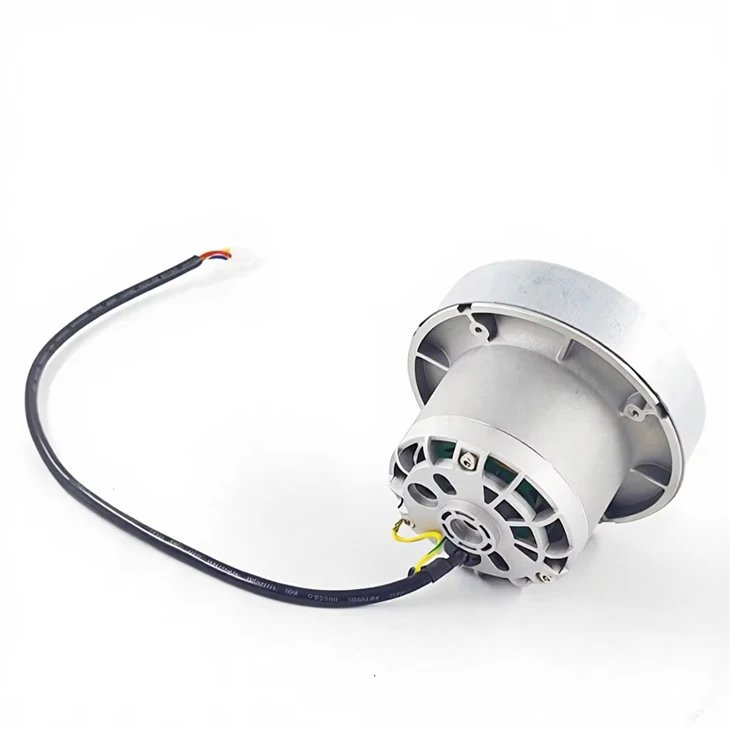
Our 230V 5.1 Inch High Power BLDC Vacuum Motor 800W/1000W is designed with state - of - the - art technology to maximize efficiency. The use of high - grade magnets and optimized winding configurations helps to reduce power consumption while delivering high performance.
Energy Management Systems
Implementing an energy management system can provide real - time monitoring and control of motor energy consumption. These systems can collect data on motor performance, such as power usage, temperature, and speed. By analyzing this data, you can identify areas where energy can be saved and take appropriate actions.
For example, if the energy management system detects that a motor is consuming more energy than normal, it can alert you to potential issues, such as a malfunction or an inefficient operating mode. This allows you to take corrective measures quickly, reducing energy waste.
Employee Training
Educating your employees about energy - saving practices is also important. Train your staff on how to operate motors efficiently, such as turning off motors when not in use and avoiding unnecessary idling. Simple actions like these can add up to significant energy savings over time.
Conclusion
Reducing the energy consumption of OEM motors is not only beneficial for the environment but also for your bottom line. By selecting the right motor type, optimizing motor sizing, implementing variable speed drives, performing regular maintenance, improving motor design, using energy management systems, and training employees, you can achieve substantial energy savings.
If you're interested in learning more about our energy - efficient OEM motors or have any questions regarding motor energy consumption reduction, we invite you to contact us for a detailed discussion. We look forward to working with you to find the best solutions for your specific needs.

References
- Electric Motor Handbook, Third Edition, by Arnold E. Fitzgerald, Charles Kingsley, Jr., and Stephen D. Umans.
- Energy - Efficient Electric Motors: A Guide to Selection and Application, by the U.S. Department of Energy.


