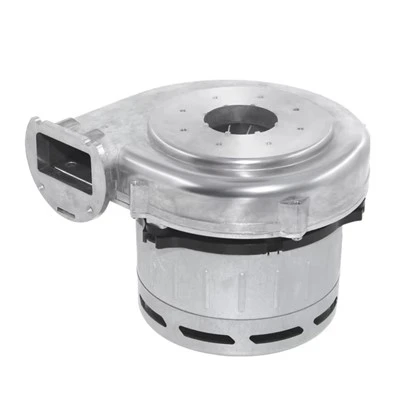
Hey there! As a supplier of Through Flow BLDC Blowers, I often get asked about how the speed control of these blowers works. So, I thought I'd write this blog to break it down for you in a simple and easy - to - understand way.

First off, let's quickly talk about what a Through Flow BLDC Blower is. It's a type of blower that uses a brushless DC (BLDC) motor. These motors are super popular because they're more efficient, have a longer lifespan, and are quieter compared to traditional brushed motors. The through - flow design allows air to flow straight through the blower, which is great for a bunch of applications like ventilation, cooling, and air circulation.
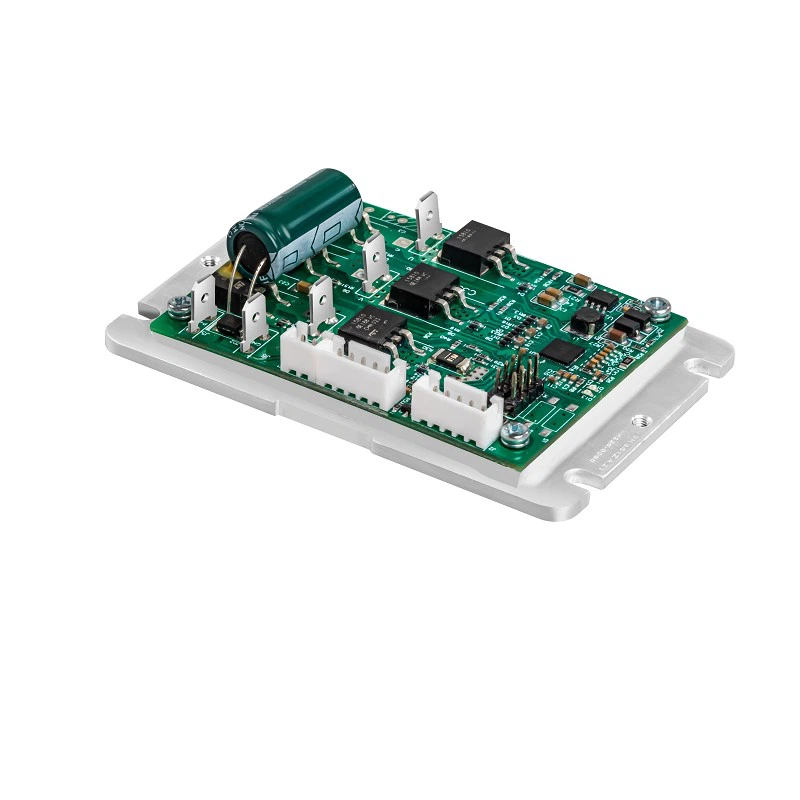
Now, onto the main topic: speed control. There are a few different methods to control the speed of a Through Flow BLDC Blower, and I'll go over each one.
Pulse Width Modulation (PWM)
PWM is probably the most common method for speed control in BLDC blowers. It works by sending a series of electrical pulses to the motor. The basic idea is that the blower's controller can adjust the width of these pulses. When the pulse width is wider, the motor gets more power on average, and it spins faster. Conversely, when the pulse width is narrower, the motor gets less power, and its speed decreases.
Let's say you have a blower running at full speed. If you want to slow it down, the controller will start reducing the width of the pulses. This reduces the average voltage that the motor receives, and as a result, the motor slows down. The frequency of these pulses usually stays constant, and it's the width that changes.
One of the big advantages of PWM is that it's very efficient. Since the motor is either fully on or fully off during each pulse, there's less power wasted as heat compared to other speed - control methods. This makes it a great choice for applications where energy efficiency is a priority. You can check out our High Temperature Air Blower, which often uses PWM for speed control to maintain efficient operation even in high - heat environments.
Voltage Control
Another way to control the speed of a Through Flow BLDC Blower is by adjusting the voltage supplied to the motor. The speed of a BLDC motor is roughly proportional to the voltage it receives. So, if you increase the voltage, the motor will spin faster, and if you decrease the voltage, it will slow down.
However, voltage control isn't as precise as PWM. When you change the voltage, it can also affect other aspects of the motor's performance, like torque. At lower voltages, the motor might not be able to generate enough torque to maintain a stable speed, especially if there's a heavy load on the blower.
But voltage control has its uses. It's relatively simple to implement, and in some applications where precise speed control isn't critical, it can be a cost - effective solution. Our 24V High Pressure BLDC Blower can be adjusted in speed to some extent using voltage control, which is suitable for basic ventilation needs.
Speed Feedback Control
Speed feedback control is a more advanced method that combines either PWM or voltage control with a feedback mechanism. This mechanism measures the actual speed of the motor and compares it to the desired speed.
For example, let's say you've set a target speed for the blower. The feedback system constantly monitors the motor's speed. If the actual speed is lower than the target speed, the controller will increase the power (either by adjusting the PWM pulses or the voltage) to speed up the motor. If the actual speed is higher than the target speed, the controller will reduce the power to slow it down.
This method provides very precise speed control, even under changing load conditions. If there's an increase in the load on the blower (like if there's more resistance to the air flow), the feedback system will detect the drop in speed and adjust the power accordingly to maintain the set speed. Our 30kPa High Pressure BLDC Blower often uses speed feedback control to ensure stable performance, especially when dealing with high - pressure requirements.
Factors Affecting Speed Control
There are a few factors that can affect how well the speed control of a Through Flow BLDC Blower works.
Load Variations: As I mentioned earlier, changes in the load on the blower can impact its speed. If there's more resistance to the air flow (for example, if the air ducts are blocked or if the blower is working against a high - pressure environment), the motor will have to work harder to maintain the same speed. Speed feedback control can help mitigate these effects, but it's still something to keep in mind.
Temperature: High temperatures can also affect the performance of the motor and the speed - control system. As the temperature rises, the electrical resistance of the motor's windings can increase, which can lead to a decrease in the motor's efficiency and speed. Some blowers are designed to compensate for these temperature effects, but it's an important factor to consider, especially in applications where the blower will be operating in hot environments.
Electrical Noise: Electrical noise in the system can interfere with the speed - control signals. This noise can come from other electrical components in the vicinity or from the power supply itself. To reduce the impact of electrical noise, proper shielding and filtering techniques are often used in the blower's design.
Applications of Speed - Controlled Through Flow BLDC Blowers
Speed - controlled Through Flow BLDC Blowers have a wide range of applications.
HVAC Systems: In heating, ventilation, and air - conditioning systems, speed control allows for precise adjustment of the air flow. This helps in maintaining a comfortable indoor environment while also saving energy. For example, during periods of low demand, the blower can run at a lower speed, reducing power consumption.
Electronics Cooling: Many electronic devices generate a lot of heat, and blowers are used to cool them. By controlling the speed of the blower, you can adjust the cooling rate based on the temperature of the electronics. This ensures that the devices don't overheat while also minimizing noise.
Industrial Processes: In industrial settings, blowers are used for tasks like drying, ventilation, and pneumatic conveying. Speed control enables these processes to be optimized for efficiency and performance.
Wrapping Up
So, there you have it! That's how the speed control of a Through Flow BLDC Blower works. Whether it's through PWM, voltage control, or speed feedback control, each method has its own advantages and is suitable for different applications.
If you're in the market for a Through Flow BLDC Blower and need help understanding which speed - control method is right for your specific needs, or if you have any other questions, don't hesitate to reach out. We're here to assist you in finding the perfect blower solution for your project. Let's start a conversation and see how we can work together to meet your requirements.
References
- Johnson, M. (2018). "Brushless DC Motors: Principles, Controls, and Applications". Wiley.
- Smith, A. (2020). "Advanced Speed Control Techniques for Electric Motors". IEEE Publications.