
Hey there! I'm a supplier of wind turbines, and today I wanna talk about how these bad boys affect wildlife. It's a hot - topic, and as someone in the industry, I think it's super important to understand.
The Physical Impact: Collisions
One of the most obvious ways wind turbines can affect wildlife is through direct collisions. Birds and bats are the most at - risk critters. Birds might be flying along, minding their own business, and then boom! They smack into a spinning turbine blade. Bats, too, seem to have a tough time avoiding these towering structures.
According to research, some species of bats are more affected than others. For example, migratory bats tend to travel at altitudes where wind turbines are often installed. They rely on echolocation to navigate, but for some reason, they don't seem to be able to detect the spinning blades in time. Scientists believe that the low - frequency sounds produced by the turbines might interfere with their echolocation systems.
As a wind turbine supplier, this is a big concern for us. We're constantly looking for ways to minimize these collisions. Some companies are experimenting with adding lights or sensors to the turbines. These might help to alert birds and bats to the presence of the turbines and give them a chance to avoid a collision.
The Noise Factor
Wind turbines are noisy. There's no getting around it. The sound of the blades slicing through the air and the mechanical hum from the generator can create quite a racket. And this noise can have a real impact on wildlife.
Animals use sound for all sorts of things, like finding mates, warning others of danger, and hunting for food. The constant noise from wind turbines can disrupt these natural behaviors. For example, some bird species might have trouble communicating with each other because of the background noise. This could lead to problems finding a partner during mating season or staying in contact with their flock.
Mammals can also be affected. Smaller mammals like rodents might be scared away from an area with a wind turbine farm. They rely on their sense of hearing to detect predators, and the turbine noise can mask the sounds of approaching threats. This puts them at a higher risk of being eaten.

However, it's not all doom and gloom. Some studies have shown that after an initial period of adjustment, some wildlife populations can start to tolerate the noise. But still, as a supplier, we're interested in developing quieter turbines. We know that reducing the noise level is not only good for the wildlife but also makes the turbines more acceptable to human neighbors.
Habitat Disruption
Building a wind turbine farm requires a significant amount of land. This often means clearing natural habitats. Trees might be cut down, and the ground might be flattened to make way for the turbines and the associated infrastructure like roads and transmission lines.
This habitat destruction can have a huge impact on wildlife. Many animals rely on specific habitats for food, shelter, and breeding. For instance, a forest - dwelling bird might lose its nesting sites when the trees are removed. Amphibians that live in wetland areas near a proposed wind farm could see their breeding grounds destroyed.
But we're not turning a blind eye to this. As a supplier, we're working with environmental experts to come up with solutions. One idea is to restore and create new habitats in other areas to offset the loss caused by the wind farm construction. This could involve planting new trees, creating artificial wetlands, or setting aside protected areas nearby.
Positive Effects on Wildlife
Surprisingly, wind turbines can also have some positive impacts on wildlife. The areas around wind farms can become refuges for certain species. Once the farm is operational, there's usually limited human access to large parts of the land. This can give animals a break from human - induced disturbances like hunting and habitat destruction.
For example, some grazing animals might find the grassy areas around the turbines to be an excellent food source. And some bird species might even use the turbine structures as perches or nesting sites. It's a bit of a silver lining in the whole situation.
Our Role as a Supplier
As a wind turbine supplier, we take our responsibility towards wildlife seriously. We collaborate with conservation groups and researchers to understand the impacts better and develop solutions.
We're involved in the design of wind turbines that are more wildlife - friendly. For example, we're looking at different blade designs that might be less likely to cause collisions. Some newer designs have slower - moving blades or a shape that's easier for animals to detect.
We also offer training to our customers on how to minimize the impact of the wind farms they install. This includes things like proper siting of the turbines to avoid sensitive habitats, and monitoring the wildlife populations in the area before, during, and after construction.
Products We Offer
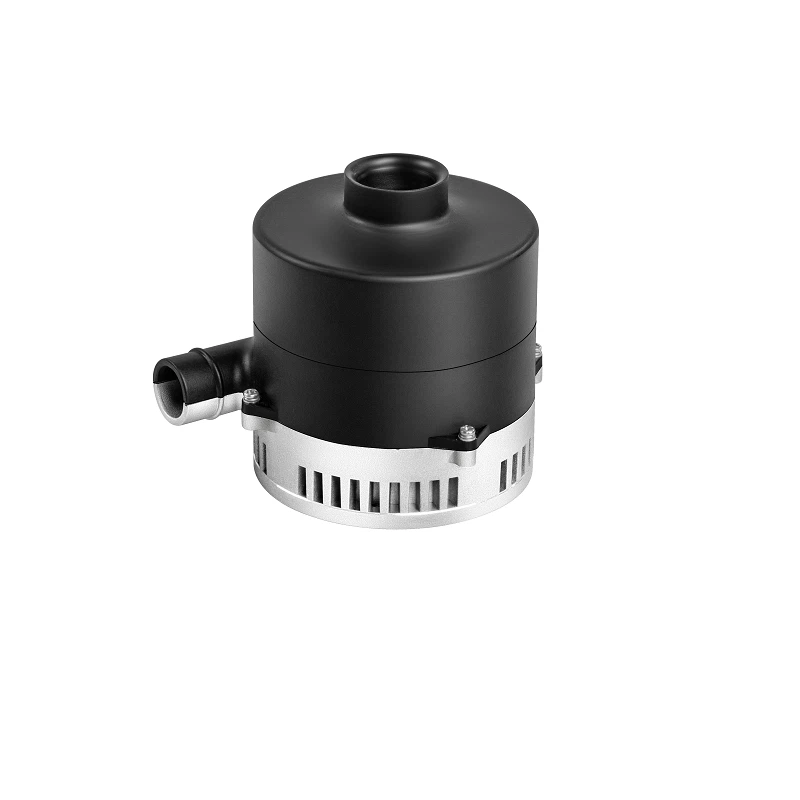
In addition to our wind turbines, we also have a range of other products that might be of interest to you. Check out our 26kPa High Pressure BLDC Blower, which is great for applications where high pressure is needed. We also have the 24V 36V Tangential By Pass BLDC Blower, which is perfect for specific ventilation needs. And if you're in the beauty equipment industry, our BLDC Blower for Beauty Equipment is worth a look.
Let's Talk Business
If you're interested in our wind turbines or any of our other products, we'd love to have a chat. We're always open to discussing your needs and finding the best solutions for you. Whether you're looking to install a small - scale wind farm or need a blower for your manufacturing process, we're here to help. Just reach out, and we can start the conversation about sourcing the right equipment for your project.
References
- Arnett, E. B., & Knopper, L. D. (2007). Implications of wind energy development for bats: Current state of knowledge and future research needs. Frontiers in Ecology and the Environment, 5(8), 415 - 423.
- Drewitt, A. L., & Langston, R. H. W. (2006). Assessing the impacts of wind farms on birds. Ibis, 148(S2), 29 - 42.
- Schaub, M., & Authors, C. (2010). Challenges in estimating wildlife mortality at wind farms: Bat fatalities at a wind energy project in southwestern Idaho. Journal of Wildlife Management, 74(2), 243 - 250.