


As a supplier of peripheral by pass brushless blowers, I am often asked about the intelligent control functions of these devices. In this blog post, I will explore the various intelligent control features that can be found in peripheral by pass brushless blowers and how they can benefit users.
Understanding Peripheral By Pass Brushless Blowers
Before delving into the intelligent control functions, let's first understand what peripheral by pass brushless blowers are. These blowers are a type of brushless DC (BLDC) blower that is designed to provide high-pressure air flow in a compact and efficient package. They are commonly used in a variety of applications, including industrial ventilation, air purification, and cooling systems.
One of the key advantages of peripheral by pass brushless blowers is their high efficiency. Unlike traditional brushed motors, BLDC motors do not have brushes that can wear out over time, resulting in lower maintenance costs and longer service life. Additionally, BLDC motors are more energy-efficient, which can lead to significant cost savings over the long term.
Intelligent Control Functions
Now, let's explore the intelligent control functions that can be found in peripheral by pass brushless blowers. These functions are designed to enhance the performance, efficiency, and reliability of the blowers, making them more suitable for a wide range of applications.
Speed Control
One of the most common intelligent control functions in peripheral by pass brushless blowers is speed control. This function allows the user to adjust the speed of the blower to meet the specific requirements of the application. For example, in a ventilation system, the blower may need to operate at a higher speed during peak usage periods and a lower speed during off-peak periods to save energy.
Speed control can be achieved through a variety of methods, including pulse width modulation (PWM), analog control, and digital control. PWM is the most common method used in BLDC blowers, as it allows for precise control of the motor speed with minimal power consumption.
Pressure Control
Another important intelligent control function in peripheral by pass brushless blowers is pressure control. This function allows the user to maintain a constant pressure in the system, regardless of changes in the air flow rate or system resistance. For example, in an air purification system, the blower may need to maintain a constant pressure to ensure that the air is effectively filtered.
Pressure control can be achieved through the use of a pressure sensor and a feedback control loop. The pressure sensor measures the pressure in the system, and the feedback control loop adjusts the speed of the blower to maintain the desired pressure.
Temperature Control
Temperature control is another intelligent control function that can be found in peripheral by pass brushless blowers. This function allows the user to monitor and control the temperature of the blower to prevent overheating and ensure reliable operation. For example, in a cooling system, the blower may need to operate at a higher speed to dissipate heat when the temperature of the system exceeds a certain threshold.
Temperature control can be achieved through the use of a temperature sensor and a feedback control loop. The temperature sensor measures the temperature of the blower, and the feedback control loop adjusts the speed of the blower to maintain the desired temperature.
Fault Detection and Diagnosis
Fault detection and diagnosis is an important intelligent control function that can help to improve the reliability and maintainability of peripheral by pass brushless blowers. This function allows the user to detect and diagnose faults in the blower, such as overheating, overcurrent, and short circuits, and take appropriate action to prevent further damage.
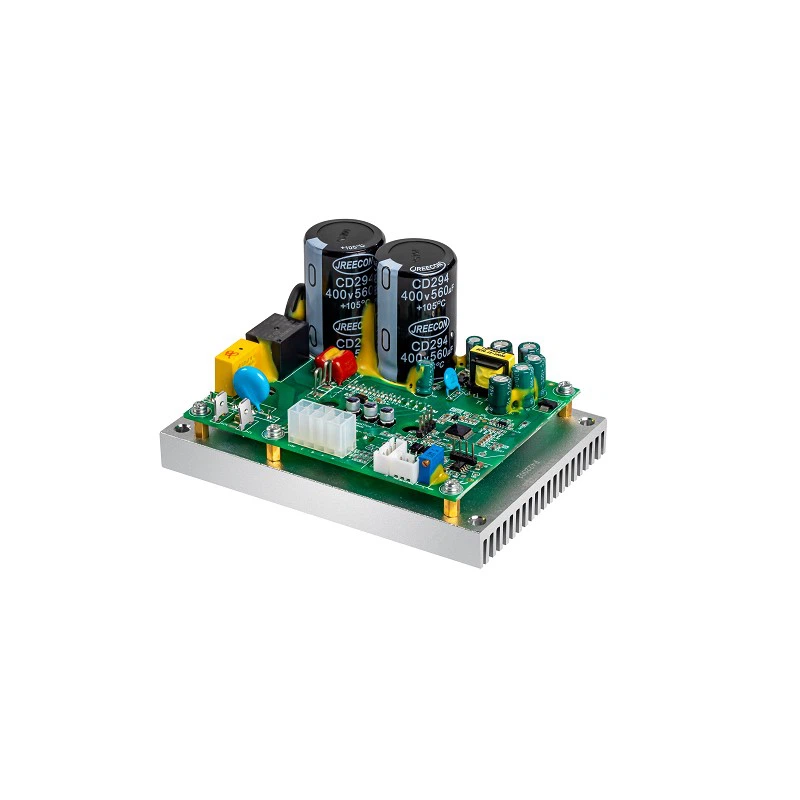

Fault detection and diagnosis can be achieved through the use of a variety of sensors and diagnostic algorithms. The sensors monitor the operating parameters of the blower, such as temperature, current, and voltage, and the diagnostic algorithms analyze the data to detect and diagnose faults.
Benefits of Intelligent Control Functions
The intelligent control functions of peripheral by pass brushless blowers offer a number of benefits to users, including:
Energy Efficiency
By allowing the user to adjust the speed of the blower to meet the specific requirements of the application, intelligent control functions can help to reduce energy consumption and save costs. For example, in a ventilation system, the blower can be operated at a lower speed during off-peak periods to save energy.
Improved Performance
Intelligent control functions can help to improve the performance of peripheral by pass brushless blowers by maintaining a constant pressure, temperature, and speed in the system. This can result in more efficient operation and better air flow distribution, which can improve the overall performance of the system.
Reliability and Maintainability
Fault detection and diagnosis functions can help to improve the reliability and maintainability of peripheral by pass brushless blowers by detecting and diagnosing faults early and taking appropriate action to prevent further damage. This can reduce downtime and maintenance costs, and increase the lifespan of the blower.
Flexibility and Customization
Intelligent control functions allow the user to customize the operation of the blower to meet the specific requirements of the application. This can provide greater flexibility and versatility, and make the blower more suitable for a wide range of applications.
Applications of Peripheral By Pass Brushless Blowers
Peripheral by pass brushless blowers with intelligent control functions are suitable for a wide range of applications, including:
Industrial Ventilation
In industrial ventilation systems, peripheral by pass brushless blowers can be used to provide high-pressure air flow for the removal of dust, fumes, and other contaminants. The intelligent control functions of the blowers can help to ensure that the air is effectively removed from the system, and that the blower operates efficiently and reliably.
Air Purification
In air purification systems, peripheral by pass brushless blowers can be used to provide high-pressure air flow for the filtration of air. The intelligent control functions of the blowers can help to maintain a constant pressure in the system, and ensure that the air is effectively filtered.
Cooling Systems
In cooling systems, peripheral by pass brushless blowers can be used to provide high-pressure air flow for the dissipation of heat. The intelligent control functions of the blowers can help to maintain a constant temperature in the system, and ensure that the blower operates efficiently and reliably.
Conclusion
In conclusion, peripheral by pass brushless blowers with intelligent control functions offer a number of benefits to users, including energy efficiency, improved performance, reliability and maintainability, and flexibility and customization. These blowers are suitable for a wide range of applications, including industrial ventilation, air purification, and cooling systems.
If you are interested in learning more about our peripheral by pass brushless blowers or would like to discuss your specific requirements, please feel free to contact us. We would be happy to help you find the right solution for your application.


