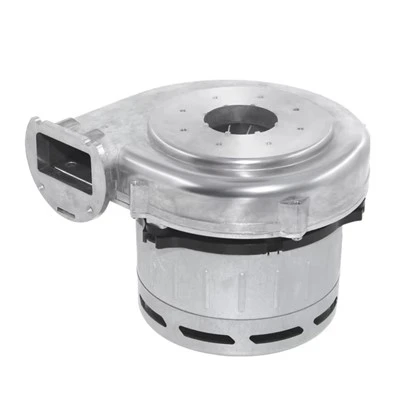
Hey there, lawn enthusiasts and fellow mower owners! As a supplier of Lawn Mower Electric Motors, I've seen it all when it comes to keeping these bad boys running smoothly. In this blog post, I'm gonna spill the beans on what maintenance your lawn mower electric motor needs to stay in top-notch shape.
Regular Cleaning
First things first, cleaning your lawn mower electric motor is crucial. Over time, grass clippings, dirt, and debris can build up on the motor and its components. This not only makes your mower look dirty but can also cause overheating and reduce the motor's efficiency.
To clean the motor, first, make sure it's unplugged or the battery is removed to avoid any electrical hazards. Use a soft brush or a can of compressed air to gently remove any loose debris from the motor housing. Pay special attention to the vents and cooling fins, as these are critical for keeping the motor cool. If there's stubborn dirt or grease, you can use a mild detergent and a damp cloth to wipe it away, but make sure to dry the motor completely afterward.
Check the Brushes (if applicable)
Some lawn mower electric motors use brushes to transfer electrical current to the spinning part of the motor (the armature). These brushes wear down over time and need to be checked regularly. If the brushes are too worn, the motor may not run properly or may even stop working altogether.
To check the brushes, you'll usually need to remove a small access panel on the motor housing. Look at the brushes to see how much of them is left. Most manufacturers recommend replacing the brushes when they're down to about a quarter of their original length. Replacing brushes is usually a pretty simple job, but if you're not sure how to do it, you can always refer to your mower's manual or take it to a professional.
Inspect the Wiring
The wiring in your lawn mower electric motor is another important thing to keep an eye on. Over time, wires can become frayed, loose, or corroded, which can lead to electrical problems. Regularly inspect the wiring for any signs of damage, such as cracks, exposed wires, or loose connections.
If you find any damaged wiring, it's important to replace it as soon as possible. You can buy replacement wiring at most hardware stores or from the manufacturer of your lawn mower. Be sure to follow the proper safety procedures when working with electrical wiring, and if you're not comfortable doing it yourself, it's best to have a professional handle it.


Lubrication
Some parts of your lawn mower electric motor may require lubrication to keep them running smoothly. However, not all motors need lubrication, so it's important to check your mower's manual to see if this applies to your motor.
If lubrication is required, use a high-quality lubricant specifically designed for electric motors. Apply the lubricant to the recommended parts, such as the bearings or the gears, according to the instructions in the manual. Be careful not to over - lubricate, as this can attract dirt and cause more problems.
Battery Maintenance (for battery - powered mowers)
If your lawn mower is battery - powered, taking care of the battery is essential for the proper functioning of the electric motor. Make sure to charge the battery according to the manufacturer's recommendations. Overcharging or undercharging the battery can shorten its lifespan.
Also, keep the battery clean and free from corrosion. If you notice any corrosion on the battery terminals, you can clean it off using a mixture of baking soda and water. Use a wire brush to gently scrub the terminals, then rinse them with clean water and dry them thoroughly.
Troubleshooting & Common Issues
Even with regular maintenance, you may still encounter some issues with your lawn mower electric motor. Here are some common problems and how to troubleshoot them:
- Motor won't start: Check to make sure the mower is plugged in (for corded mowers) or the battery is charged (for battery - powered mowers). Also, check the circuit breaker or fuse to see if it has tripped or blown. If everything seems okay and the motor still won't start, there could be a problem with the motor itself, and you may need to have it inspected by a professional.
- Motor runs but has low power: This could be due to a dirty motor, worn brushes, or a problem with the electrical supply. Try cleaning the motor and checking the brushes. If that doesn't solve the problem, there may be an issue with the power source or the motor's internal components.
- Motor overheats: Overheating can be caused by a buildup of debris, a lack of lubrication, or a problem with the cooling system. Clean the motor, check the lubrication, and make sure the cooling vents are clear. If the motor continues to overheat, it's best to have it checked out.
Our Product Recommendations
As a Lawn Mower Electric Motor supplier, we offer a wide range of high - quality motors to suit your needs. For example, our 230V BLDC Motor with Controller is a great option for those who need a reliable and efficient motor. It comes with a controller that allows for precise speed control, making it perfect for lawn mowers.
Another popular product is our 220V 1500rpm 250W BLDC Motor. This motor is designed to provide a good balance of power and speed, and it's built to last.
And if you're in the market for a motor for a different application, like a sewing machine, we also have the BLDC Motor for Sewing Machine. It's a specialized motor that offers smooth and quiet operation.
Contact Us for Purchasing
If you're interested in purchasing a lawn mower electric motor or have any questions about maintenance or our products, don't hesitate to reach out. We're here to help you find the perfect motor for your needs and ensure that it runs smoothly for years to come.
References
- Lawn Mower Owner's Manuals
- Electric Motor Maintenance Guides
- Industry Publications on Small Electric Motors