


When it comes to high pressure small centrifugal blowers, one of the most frequently asked questions is about their typical power consumption. As a supplier of high pressure small centrifugal blowers, I understand the importance of this information for our customers. In this blog post, I will delve into the factors that influence the power consumption of these blowers and provide some typical values to help you make an informed decision.
Factors Affecting Power Consumption
The power consumption of a high pressure small centrifugal blower is influenced by several factors, including the blower's design, operating conditions, and the specific application it is used for. Let's take a closer look at each of these factors:
Blower Design
The design of the blower plays a crucial role in determining its power consumption. Factors such as the impeller diameter, blade shape, and motor efficiency can all have a significant impact on how much power the blower uses. For example, a blower with a larger impeller diameter may require more power to operate, but it can also deliver higher airflow and pressure. Similarly, a blower with a more efficient motor will consume less power for the same amount of work.
Operating Conditions
The operating conditions of the blower, such as the inlet and outlet pressures, airflow rate, and temperature, can also affect its power consumption. For instance, if the blower is operating at a higher pressure or airflow rate, it will require more power to maintain the desired performance. Additionally, operating the blower in a high-temperature environment can reduce the motor's efficiency, leading to increased power consumption.
Application
The specific application for which the blower is used can also influence its power consumption. Different applications have different requirements for airflow and pressure, and the blower's power consumption will vary accordingly. For example, a blower used for ventilation in a small room may require less power than a blower used for industrial processes that demand high-pressure airflow.
Typical Power Consumption Values
Now that we understand the factors that affect power consumption, let's look at some typical values for high pressure small centrifugal blowers. It's important to note that these values are approximate and can vary depending on the specific blower model and operating conditions.
Low-Pressure Applications
For low-pressure applications, such as ventilation in small spaces or cooling electronic components, the power consumption of a high pressure small centrifugal blower can range from a few watts to around 50 watts. These blowers typically have a relatively low airflow rate and pressure, and they are designed to operate efficiently at low power levels.

Medium-Pressure Applications
In medium-pressure applications, such as air circulation in HVAC systems or pneumatic conveying, the power consumption of a high pressure small centrifugal blower can range from 50 watts to a few hundred watts. These blowers are capable of delivering higher airflow and pressure than low-pressure blowers, but they also require more power to operate.
High-Pressure Applications
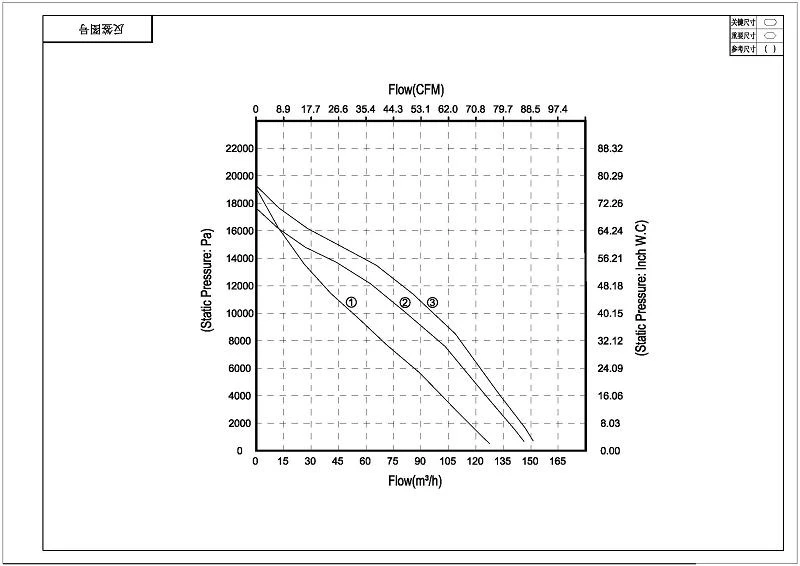
For high-pressure applications, such as industrial processes that require high-pressure airflow, the power consumption of a high pressure small centrifugal blower can exceed a few hundred watts. These blowers are designed to deliver high-pressure airflow at relatively low airflow rates, and they often require more powerful motors to operate.
Energy Efficiency Considerations
When selecting a high pressure small centrifugal blower, it's important to consider its energy efficiency. A more energy-efficient blower can help you save on operating costs and reduce your environmental impact. Here are some tips to improve the energy efficiency of your blower:
Choose the Right Blower
Select a blower that is specifically designed for your application and operating conditions. Make sure the blower's airflow and pressure ratings match your requirements to avoid over-sizing or under-sizing the blower, which can lead to increased power consumption.
Optimize the Operating Conditions
Try to optimize the operating conditions of the blower to reduce its power consumption. For example, you can adjust the inlet and outlet pressures, airflow rate, and temperature to ensure that the blower is operating at its most efficient point.
Maintain the Blower Regularly
Regular maintenance of the blower, such as cleaning the impeller and motor, lubricating the bearings, and checking the electrical connections, can help improve its efficiency and reduce its power consumption.
Our Product Range
As a supplier of high pressure small centrifugal blowers, we offer a wide range of products to meet the diverse needs of our customers. Our blowers are designed with the latest technology and high-quality materials to ensure reliable performance and energy efficiency.
We have 48V High Pressure BLDC Blower, 24V High Pressure BLDC Blower, and 100V/240V High Pressure BLDC Blower available in our product line. These blowers are suitable for various applications, including ventilation, cooling, and pneumatic conveying. They are known for their high efficiency, low noise, and long service life.
Contact Us for Procurement
If you are interested in purchasing high pressure small centrifugal blowers or have any questions about our products, please feel free to contact us. Our team of experts will be happy to assist you in selecting the right blower for your application and provide you with detailed information about our products and services.
References
- ASHRAE Handbook - HVAC Systems and Equipment. American Society of Heating, Refrigerating and Air-Conditioning Engineers (ASHRAE).
- Centrifugal Blower Design and Application Guide. Manufacturer's technical documentation.


