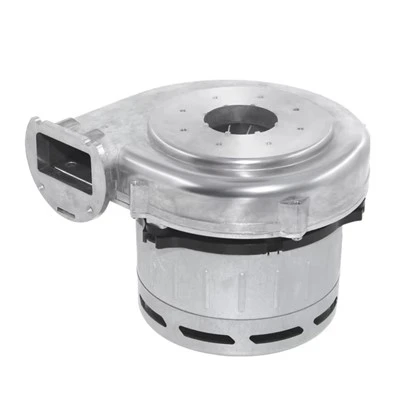
Hey there! As a supplier of vacuum motors, I often get asked about the maximum continuous operation time of a vacuum motor. It's a crucial question, especially for those who rely on vacuum cleaners for heavy - duty cleaning tasks. So, let's dive right in and explore this topic.
Understanding Vacuum Motors
First off, let's talk a bit about the types of vacuum motors we offer. We've got the BLDC Motor for Vacuum Cleaner. BLDC, or Brushless DC motors, are becoming increasingly popular in the vacuum cleaner industry. They're known for their high efficiency, low noise, and long lifespan. Then there's our 500W Brushless Vacuum Motor, which packs a punch with its 500 - watt power, perfect for more demanding cleaning jobs. And don't forget our Small High Pressure BLDC Vacuum Motor, great for applications where space is limited but high pressure is still needed.
Factors Affecting Continuous Operation Time
The maximum continuous operation time of a vacuum motor isn't set in stone. It depends on several factors.
Motor Design and Quality
The design and quality of the motor play a huge role. High - quality motors, like the ones we supply, are built with better materials and more advanced engineering. For example, our BLDC motors use high - grade magnets and precision - wound coils. These components are less likely to overheat or wear out quickly, allowing for longer continuous operation. Cheaper motors might cut corners on materials, which can lead to overheating and a shorter lifespan.
Cooling System
A good cooling system is essential for a vacuum motor. Motors generate heat when they're running, and if that heat isn't dissipated properly, it can cause damage. Our motors are designed with efficient cooling systems. Some have built - in fans that blow air over the motor to keep it cool. Others use heat - conducting materials that transfer heat away from the critical components. Without an effective cooling system, the motor might have to be shut down frequently to prevent overheating.
Load on the Motor
The load on the motor also affects how long it can run continuously. If the vacuum cleaner is being used to clean a thick carpet or pick up large debris, the motor has to work harder. This increased workload generates more heat and puts more stress on the motor. On the other hand, if it's just a light cleaning job on a smooth floor, the motor can operate more easily and for a longer time.
Ambient Temperature
The temperature of the environment where the vacuum cleaner is being used matters too. In a hot room, the motor has to work harder to dissipate heat. If the ambient temperature is very high, the motor might reach its maximum operating temperature more quickly, reducing its continuous operation time. In a cooler environment, the motor can run for longer without overheating.
Typical Continuous Operation Times
So, what kind of continuous operation times can you expect? Well, it varies.
For our smaller, less powerful motors, like some of the small high - pressure BLDC motors, they can typically run continuously for about 30 minutes to an hour. These motors are designed for light - duty tasks and short - term use. They're great for quick clean - ups around the house or in small spaces.
Our medium - power motors, such as the 500W brushless vacuum motors, can usually run continuously for 1 to 2 hours. They're suitable for more extensive cleaning jobs, like cleaning an entire room or a small office.


The high - end BLDC motors for vacuum cleaners can often run continuously for 2 to 3 hours or even more. These motors are built for heavy - duty use, like in commercial cleaning settings where long periods of continuous operation are required.
Tips to Extend Continuous Operation Time
If you want to get the most out of your vacuum motor and extend its continuous operation time, here are some tips:
Regular Maintenance
Keep the vacuum cleaner clean. A clogged filter or a full dustbin can increase the load on the motor. Make sure to empty the dustbin regularly and clean or replace the filters as recommended. This will help the motor run more efficiently and reduce the risk of overheating.
Use the Right Attachments
Using the right attachments for the job can make a big difference. For example, use a wide floor brush for large, open areas and a crevice tool for tight spaces. This way, the motor doesn't have to work harder than necessary.
Avoid Overloading
Don't try to pick up large or heavy objects that the vacuum cleaner isn't designed for. This can put too much stress on the motor and reduce its continuous operation time.
Conclusion
In conclusion, the maximum continuous operation time of a vacuum motor depends on a variety of factors, including motor design, cooling system, load, and ambient temperature. As a vacuum motor supplier, we're committed to providing high - quality motors that offer long continuous operation times. Whether you need a motor for a small home vacuum cleaner or a commercial - grade cleaning machine, we've got the right solution for you.
If you're interested in purchasing our vacuum motors or have any questions about their performance and continuous operation times, feel free to reach out to us. We're always happy to help you find the best motor for your needs and answer any of your questions.
References
- "Motor Design and Performance" - Industry Motor Handbook
- "Cooling Systems in Vacuum Motors" - Journal of Appliance Engineering
- "Effects of Load and Ambient Temperature on Motor Lifespan" - Electrical Engineering Research Journal