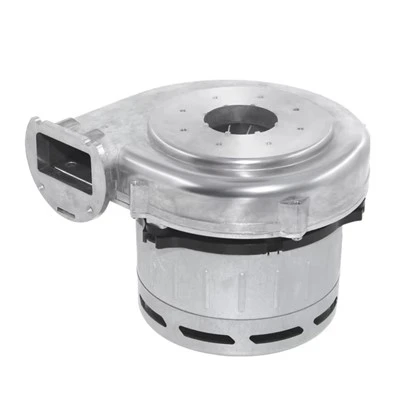
Hey there! As a supplier of Tangential By Pass BLDC Blowers, I've been getting a lot of questions lately about how ambient humidity can affect the performance of these blowers. So, I thought I'd take some time to break it down for you all.
First off, let's talk about what a Tangential By Pass BLDC Blower is. These blowers are pretty cool because they use a brushless DC (BLDC) motor, which is more efficient and reliable compared to traditional motors. They're also designed with a tangential by-pass configuration, which allows for better airflow and pressure control. You can check out some of our specific models like the BLDC Blower for Dental Equipment, the 24V High Pressure BLDC Blower, and the 800W High Pressure BLDC Blower.
Now, let's dive into the impact of ambient humidity on these blowers. Humidity refers to the amount of water vapor in the air. And it can have a few different effects on the performance of our Tangential By Pass BLDC Blowers.
1. Air Density Changes
One of the main ways humidity affects the blower is through changes in air density. When the humidity is high, there's more water vapor in the air. Water vapor is lighter than dry air, so as the humidity increases, the overall density of the air decreases.
For our blowers, this means that they have to work a bit harder to move the same volume of air. You see, the blower's performance is often rated based on moving a certain amount of air at a specific pressure under standard conditions (usually dry air). When the air density drops due to high humidity, the blower might not be able to achieve the same airflow and pressure as it would in dry conditions.
Think of it like trying to push a lighter object through a space. If you're used to pushing a heavy object with a certain amount of force, and suddenly you have a lighter one, you might over - push or find that you need to adjust your technique. Similarly, the blower might have to adjust its operation to maintain the desired airflow and pressure.
2. Corrosion and Rust
Another big concern with high humidity is corrosion and rust. Our blowers are made up of various metal components, and when they're exposed to high levels of humidity for extended periods, the water vapor in the air can cause these metal parts to corrode.
Corrosion can damage the blower's internal components, such as the impeller, motor housing, and other structural parts. Once corrosion sets in, it can affect the balance of the impeller, which in turn can lead to increased vibration and noise during operation. Over time, this can also reduce the blower's efficiency and lifespan.


For example, if the impeller starts to corrode, it might not spin as smoothly as it should. This can cause the blower to consume more energy to achieve the same airflow, and it can also lead to premature wear and tear on the motor and other parts.
3. Electrical Issues
High humidity can also cause problems with the electrical components of the blower. Water vapor in the air can condense on the electrical connections and circuit boards inside the blower. This condensation can lead to short - circuits, electrical malfunctions, and even damage to the motor.
The BLDC motor in our blowers relies on precise electrical signals to operate. If moisture gets into the electrical system, it can disrupt these signals, causing the motor to run erratically or stop working altogether. This is a serious issue because it can lead to unexpected downtime and costly repairs.
4. Lubrication and Sealing
The lubrication and sealing of the blower's moving parts can also be affected by humidity. The lubricants used in the bearings and other moving parts are designed to work under certain conditions. High humidity can cause these lubricants to break down faster, reducing their effectiveness.
When the lubrication breaks down, the friction between the moving parts increases. This can lead to increased wear and tear, higher operating temperatures, and reduced efficiency. Additionally, the seals in the blower are meant to keep out dust and moisture. However, high humidity can compromise the integrity of these seals, allowing more moisture to enter the blower and exacerbating the other issues we've discussed.
How to Mitigate the Effects of Humidity
So, what can we do to deal with the impact of humidity on our Tangential By Pass BLDC Blowers?
First, proper installation is key. Make sure the blower is installed in a well - ventilated area where the air can circulate freely. This can help reduce the chances of moisture buildup around the blower. You can also use dehumidifiers in the area where the blower is located to keep the humidity levels in check.
Regular maintenance is also crucial. This includes inspecting the blower for signs of corrosion, checking the electrical connections for moisture, and replacing the lubricants and seals as needed. By staying on top of maintenance, you can catch any potential issues early and prevent them from turning into major problems.
We also recommend using protective coatings on the blower's metal components. These coatings can act as a barrier between the metal and the moisture in the air, reducing the risk of corrosion.
Conclusion
In conclusion, ambient humidity can have a significant impact on the performance of our Tangential By Pass BLDC Blowers. From changes in air density to corrosion, electrical issues, and problems with lubrication and sealing, there are several ways that humidity can affect the blower's operation, efficiency, and lifespan.
But don't worry! By understanding these effects and taking the necessary steps to mitigate them, you can ensure that your blower continues to perform at its best. Whether you're in a dental clinic using our BLDC Blower for Dental Equipment or in an industrial setting with our high - pressure models, proper care and maintenance will go a long way.
If you're interested in learning more about our Tangential By Pass BLDC Blowers or have any questions about how to deal with humidity - related issues, feel free to reach out. We're here to help you get the most out of your blower and make the right purchasing decisions. Contact us today to start a conversation about your specific needs and how our blowers can meet them.
References
- ASHRAE Handbook - Fundamentals. American Society of Heating, Refrigerating and Air - Conditioning Engineers.
- Manufacturer's technical documentation for Tangential By Pass BLDC Blowers.