


What is the Cut - in Wind Speed of a Wind Turbine?
As a wind turbine supplier, I often encounter customers who are curious about various technical aspects of wind turbines. One of the frequently asked questions is, "What is the cut - in wind speed of a wind turbine?" In this blog, I'll delve into this topic, explaining what cut - in wind speed is, why it matters, and how it impacts the performance of wind turbines.
Understanding Cut - in Wind Speed
The cut - in wind speed of a wind turbine is the minimum wind speed at which the turbine starts to generate usable electrical power. When the wind speed reaches this threshold, the blades of the wind turbine begin to rotate, and the generator inside the nacelle starts converting the kinetic energy of the wind into electrical energy.
To put it simply, if the wind speed is below the cut - in wind speed, the turbine remains idle. It's like a car engine that won't start until you turn the key and reach the right conditions. For wind turbines, the right condition is the cut - in wind speed.
The cut - in wind speed varies depending on the design and size of the wind turbine. Smaller turbines, such as those used for residential or small - scale applications, typically have a lower cut - in wind speed, often around 2 - 3 meters per second (m/s). Larger commercial wind turbines, on the other hand, may have a cut - in wind speed ranging from 3 - 4 m/s.
Why Cut - in Wind Speed Matters
The cut - in wind speed is a crucial parameter for several reasons. First and foremost, it determines the availability of power generation. In areas with low - wind conditions, a wind turbine with a low cut - in wind speed will be able to start generating power more frequently, maximizing the amount of electricity produced over time.
For example, consider two wind turbines installed in a coastal area where the average wind speed is relatively low. Turbine A has a cut - in wind speed of 2 m/s, while Turbine B has a cut - in wind speed of 4 m/s. Turbine A will start generating power more often, as it can harness the wind energy even when the wind is relatively gentle. This means that Turbine A will produce more electricity in a year compared to Turbine B, making it a more efficient choice for that location.
Secondly, the cut - in wind speed affects the economic viability of a wind energy project. A lower cut - in wind speed allows the turbine to start generating revenue earlier, as it can start producing electricity at lower wind speeds. This reduces the payback period of the investment and increases the overall profitability of the project.
Factors Affecting Cut - in Wind Speed
Several factors influence the cut - in wind speed of a wind turbine. One of the most significant factors is the design of the turbine blades. Blades with a high lift - to - drag ratio are more efficient at capturing wind energy at low wind speeds, allowing the turbine to start rotating at a lower cut - in wind speed.
The size and weight of the turbine also play a role. Smaller turbines are generally lighter and have less inertia, which means they can start rotating more easily at lower wind speeds. Additionally, the type of generator used in the turbine can affect the cut - in wind speed. Some generators are more efficient at low - speed operation, enabling the turbine to start generating power at a lower wind speed.
Impact on Wind Turbine Performance
The cut - in wind speed has a direct impact on the overall performance of a wind turbine. A turbine with a low cut - in wind speed will have a longer operating time, as it can start generating power earlier and continue to operate at lower wind speeds. This results in a higher capacity factor, which is a measure of how much electricity a turbine can produce compared to its maximum possible output.
However, it's important to note that a very low cut - in wind speed may not always be beneficial. At extremely low wind speeds, the power output of the turbine may be very small, and the energy required to overcome the friction and other losses in the turbine may be relatively high. In such cases, the turbine may not be generating enough power to be cost - effective.
Selecting the Right Cut - in Wind Speed
When selecting a wind turbine, it's essential to consider the cut - in wind speed based on the specific location and wind conditions. For areas with consistently low wind speeds, a turbine with a low cut - in wind speed is recommended. On the other hand, in areas with high - wind conditions, a turbine with a slightly higher cut - in wind speed may be more suitable, as it can handle the stronger winds more efficiently.
As a wind turbine supplier, I work closely with my customers to understand their energy needs and the wind conditions at their proposed installation sites. By analyzing the wind data and considering the specific requirements of the project, I can recommend the most appropriate wind turbine with the right cut - in wind speed.
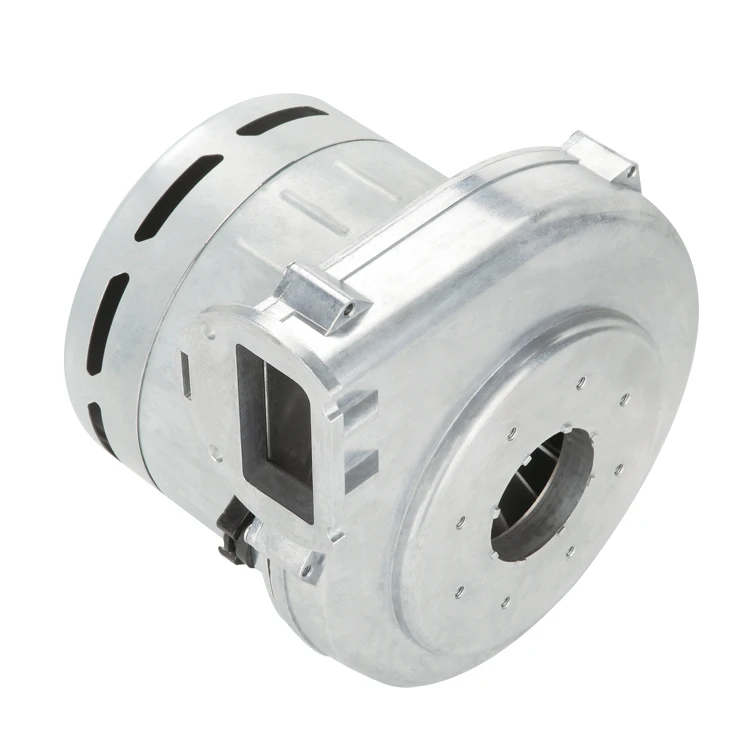
In addition to wind turbines, we also offer a range of related products, such as 230V High Pressure Brushless Blower, 120V High Pressure BLDC Air Blower, and 36V High Pressure BLDC Blower. These products are designed to work in conjunction with wind turbines to enhance the overall performance of the energy system.

Conclusion
In conclusion, the cut - in wind speed is a critical parameter that determines the starting point of power generation for a wind turbine. It affects the availability of power, the economic viability of a project, and the overall performance of the turbine. By understanding the concept of cut - in wind speed and considering it when selecting a wind turbine, customers can make more informed decisions and maximize the benefits of wind energy.
If you're interested in learning more about wind turbines or are considering a wind energy project, I encourage you to reach out to me. I'd be happy to discuss your specific needs and provide you with the best solutions for your energy requirements. Let's work together to harness the power of the wind and create a more sustainable future.
References
- Manwell, J. F., McGowan, J. G., & Rogers, A. L. (2009). Wind Energy Explained: Theory, Design, and Application. Wiley.
- Burton, T., Sharpe, D., Jenkins, N., & Bossanyi, E. (2011). Wind Energy Handbook. Wiley.


