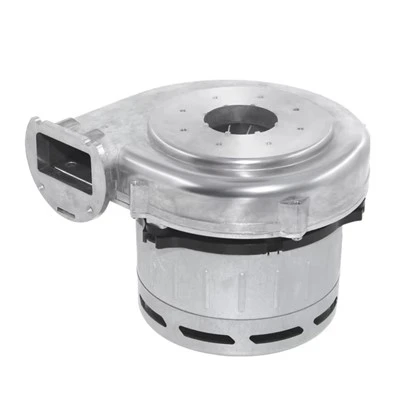
As a professional vacuum motor supplier, I've witnessed firsthand the critical role suction power plays in the performance of vacuum cleaners. The suction power of a vacuum motor is a multifaceted characteristic influenced by numerous factors. Understanding these factors is not only essential for manufacturers aiming to enhance their product quality but also for consumers looking to make informed purchasing decisions. In this blog, I'll delve into the key elements that affect the suction power of a vacuum motor.
Motor Design and Type
The design and type of the motor are fundamental determinants of suction power. There are primarily two types of motors used in vacuum cleaners: brushed and brushless motors.
Brushed motors are the traditional choice and have been used in vacuum cleaners for a long time. They operate by using brushes to transfer electrical current to the motor's rotating part, known as the armature. While they are relatively simple and cost - effective, they have some limitations. The brushes wear out over time, which can lead to a decrease in performance and suction power. Additionally, the friction generated by the brushes can cause energy losses, reducing the overall efficiency of the motor.
On the other hand, brushless motors, such as the 500W Brushless Vacuum Motor, offer several advantages. They use electronic commutation instead of brushes, which eliminates the problem of brush wear. This results in a longer lifespan and more consistent performance. Brushless motors are also more energy - efficient, as they reduce friction and heat generation. The BLDC Motor for Vacuum Cleaner is a prime example of a high - performance brushless motor that can provide strong and reliable suction power.
The internal design of the motor, including the number of poles, the winding configuration, and the size of the magnetic field, also affects suction power. Motors with more poles generally have better torque characteristics, which can translate into higher suction power. The winding configuration determines how the electrical energy is converted into mechanical energy, and an optimized winding design can improve the motor's efficiency and performance.


Power Input
The power input to the vacuum motor is directly related to its suction power. Higher power motors typically generate more suction. The power of a motor is measured in watts (W). A motor with a higher wattage can draw more electrical energy and convert it into mechanical energy to create a stronger suction force.
However, it's important to note that power input is not the only factor determining suction power. The efficiency of the motor also plays a crucial role. A more efficient motor can convert a higher percentage of the electrical energy it consumes into useful suction power. For example, a well - designed 500W motor may provide better suction than a less efficient 600W motor.
When choosing a vacuum motor, it's essential to consider the power requirements of the specific application. For small handheld vacuum cleaners, a lower power motor may be sufficient, while larger upright or industrial vacuum cleaners may require a more powerful motor to achieve the desired suction performance.
Airflow and Ventilation
Airflow is another critical factor affecting the suction power of a vacuum motor. The motor needs to be able to draw in and expel air efficiently to create suction. A restricted airflow can significantly reduce the suction power of the vacuum cleaner.
The design of the vacuum cleaner's air path, including the hose, nozzle, and filters, can impact airflow. A narrow or clogged hose can impede the flow of air, reducing the suction force. Similarly, dirty or clogged filters can block the air intake, causing a decrease in performance. Regular maintenance, such as cleaning or replacing filters and unclogging hoses, is essential to ensure optimal airflow and suction power.
Proper ventilation is also necessary to prevent the motor from overheating. Overheating can cause the motor to lose efficiency and even damage its components. Vacuum cleaners are designed with ventilation systems that allow hot air to escape while drawing in cool air. If the ventilation system is blocked or malfunctioning, the motor's performance can be severely affected.
Fan Design
The fan is an integral part of the vacuum motor system, as it is responsible for creating the airflow that generates suction. The design of the fan, including its shape, size, and blade configuration, can have a significant impact on the suction power.
Fans with larger diameters can move more air, resulting in higher suction power. The shape and angle of the fan blades also affect how efficiently the fan can move air. Optimized blade designs can increase the airflow rate and pressure, enhancing the suction performance of the vacuum cleaner.
For example, some high - performance vacuum motors use centrifugal fans. These fans are designed to create a high - pressure airflow by using centrifugal force to throw the air outwards. Centrifugal fans are often more efficient at generating suction than other types of fans, especially in applications where a strong suction force is required. The Small High Pressure BLDC Vacuum Motor may be equipped with a specially designed centrifugal fan to provide excellent suction power in a compact size.
Load and Resistance
The load on the vacuum motor, which refers to the amount of work the motor needs to do, can affect its suction power. When the vacuum cleaner is cleaning a thick carpet or picking up large debris, the motor has to work harder to overcome the resistance. This can cause a temporary decrease in suction power as the motor struggles to maintain its performance under the increased load.
The type of debris being cleaned also matters. Fine dust and small particles are generally easier to pick up than large pieces of debris or sticky substances. A vacuum motor may need to generate more suction power to clean effectively in areas with heavy dirt or debris.
In addition, the resistance in the air path, such as the resistance caused by a long hose or a narrow nozzle, can increase the load on the motor. This requires the motor to work harder to maintain the desired airflow and suction power.
Voltage Stability
The stability of the voltage supplied to the vacuum motor is crucial for its performance. Fluctuations in voltage can cause the motor to operate inefficiently or even damage its components.
Most vacuum motors are designed to operate within a specific voltage range. If the voltage is too low, the motor may not be able to generate enough power to create a strong suction force. On the other hand, if the voltage is too high, it can cause the motor to overheat and potentially burn out.
In areas where the voltage is unstable, using a voltage stabilizer can help ensure that the vacuum motor receives a consistent and appropriate voltage supply, thereby maintaining its suction power and prolonging its lifespan.
Conclusion
In conclusion, the suction power of a vacuum motor is influenced by a variety of factors, including motor design and type, power input, airflow and ventilation, fan design, load and resistance, and voltage stability. As a vacuum motor supplier, we are committed to developing and providing high - quality motors that offer excellent suction power and performance.
Whether you are a vacuum cleaner manufacturer looking for the best motor for your products or a consumer in search of a powerful and reliable vacuum cleaner, understanding these factors can help you make the right choice. If you have any questions or are interested in our vacuum motors, such as the 500W Brushless Vacuum Motor, BLDC Motor for Vacuum Cleaner, or Small High Pressure BLDC Vacuum Motor, please feel free to contact us for more information and procurement discussions.
References
- "Electric Motors and Drives: Fundamentals, Types, and Applications" by Austin Hughes
- "Vacuum Cleaner Technology" by Martin Cooper
- Industry whitepapers on vacuum motor design and performance