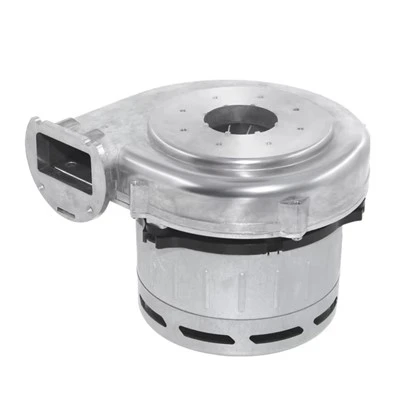
When it comes to the proper storage of a comb fan when it's not in use, there are several key factors to consider. As a supplier of comb fans, I've gained extensive knowledge and experience in this area, and I'm excited to share some valuable insights with you.
Understanding the Comb Fan
Before delving into storage methods, it's essential to understand the nature of a comb fan. Comb fans, such as the Combustion EC Gas Blower, Gas Blower for Burner, and Full Premixed Gas Blower, are precision - engineered devices. They are designed to operate in specific environments and perform critical functions in various industrial and domestic applications, such as providing proper air - fuel mixture in burners.


Pre - storage Preparation
The first step in storing a comb fan correctly is to perform a thorough cleaning. Remove any dust, debris, or accumulated dirt from the fan blades, motor housing, and intake/outlet vents. A soft brush or compressed air can be used for this purpose. Cleaning not only helps to maintain the fan's appearance but also prevents the buildup of contaminants that could potentially damage the internal components over time.
Next, check the fan for any signs of wear or damage. Inspect the motor for loose wires, frayed cables, or abnormal noises during a short test run (if possible). Examine the fan blades for cracks or warping. If any issues are detected, it's advisable to repair or replace the damaged parts before storage. This proactive approach can save you time and money in the long run, as it prevents minor problems from escalating into major breakdowns.
Choosing the Right Storage Location
The storage location plays a crucial role in preserving the integrity of the comb fan. Ideally, the storage area should be dry, clean, and well - ventilated. A humidity level of around 40 - 60% is considered optimal. High humidity can lead to rust and corrosion of the metal components, while low humidity can cause the plastic parts to become brittle.
Avoid storing the comb fan in areas prone to extreme temperature fluctuations, such as attics or basements. Extreme heat can cause the lubricants in the motor to break down, and extreme cold can make the rubber seals and gaskets harden and lose their flexibility. A climate - controlled storage facility or a dedicated storage room in a stable environment is the best option.
Proper Packaging
Once the fan is cleaned and inspected, it's time to package it for storage. Use a sturdy cardboard box or a custom - made storage case that provides adequate protection. Line the box with a soft, non - abrasive material, such as foam or bubble wrap, to cushion the fan and prevent any accidental impacts during storage or transportation.
If the comb fan has detachable parts, such as the fan blades or the motor cover, remove them carefully and store them separately in labeled plastic bags. This makes it easier to keep track of all the components and ensures that they are not lost or damaged.
Protecting the Electrical Components
The electrical components of the comb fan are particularly vulnerable to damage during storage. To protect them, cover the electrical connections with electrical tape or a silicone - based sealant. This helps to prevent moisture from seeping into the connections and causing short - circuits or corrosion.
It's also a good idea to disconnect the power cord from the fan and store it separately. Make sure to coil the cord neatly and secure it with a cable tie to prevent it from tangling.
Long - term Storage Considerations
If you plan to store the comb fan for an extended period, there are a few additional steps you can take. First, apply a light coat of lubricant to the fan bearings to prevent them from seizing up. However, be careful not to over - lubricate, as excess lubricant can attract dust and debris.
Secondly, rotate the fan blades manually every few months to keep the bearings in good condition. This simple action helps to distribute the lubricant evenly and prevents the blades from sticking in one position.
Regular Inspections
Even during storage, it's important to conduct regular inspections of the comb fan. Check the packaging for any signs of damage, such as tears or water stains. Inspect the fan itself for any visible signs of rust, corrosion, or mold growth. If any issues are detected, take immediate action to address them.
Benefits of Proper Storage
Proper storage of a comb fan offers several benefits. Firstly, it extends the lifespan of the fan. By protecting it from environmental factors and preventing wear and tear, you can ensure that the fan remains in good working condition for many years to come.
Secondly, it reduces the need for frequent repairs and maintenance. A well - stored fan is less likely to develop problems, which means lower maintenance costs and less downtime.
Finally, proper storage helps to maintain the fan's performance. When you take the time to store the fan correctly, you can be confident that it will operate at its optimal level when you need it again.
Contact for Procurement
If you're in the market for high - quality comb fans, including the Combustion EC Gas Blower, Gas Blower for Burner, and Full Premixed Gas Blower, we're here to assist you. Our team of experts can provide you with detailed product information, competitive pricing, and excellent customer service. Whether you're a small - scale user or a large - scale industrial buyer, we have the right solution for your needs. Feel free to reach out to us to start a procurement discussion.
References
- "Industrial Fan Handbook" - A comprehensive guide on the design, operation, and maintenance of industrial fans.
- Manufacturer's manuals for comb fans, which often contain specific storage and maintenance instructions.
- Industry standards and best practices for the storage of electrical and mechanical equipment.