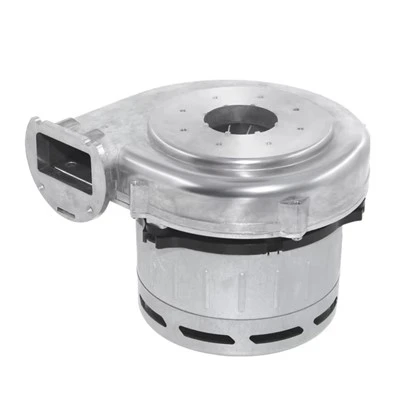
Hey there! As a supplier of Lawn Mower Electric Motor, I've been getting a ton of questions lately about how the power of an electric motor in a lawn mower stacks up against a gas motor. So, I thought I'd break it down for you in this blog post.
Let's start with the basics. When we talk about the power of a motor, we're usually referring to its ability to do work. In the case of a lawn mower, that means cutting through grass efficiently. Gas motors have been around for ages and are known for their raw power. They typically use internal combustion engines that burn gasoline to generate energy. This energy is then transferred to the blades of the lawn mower, allowing them to spin at high speeds and cut through thick grass with ease.
On the other hand, electric motors are a more recent innovation. They use electricity to power the motor, which then drives the blades. Electric motors come in two main types: corded and cordless. Corded electric motors are connected to a power outlet via an extension cord, while cordless electric motors are powered by rechargeable batteries.
Now, let's get into the nitty-gritty of how these two types of motors compare in terms of power.
Power Output
Gas motors are generally more powerful than electric motors. They can generate a lot of torque, which is the force that causes an object to rotate. This high torque allows gas-powered lawn mowers to cut through thick, tough grass without bogging down. For example, a typical gas-powered lawn mower might have a power output of 5 to 10 horsepower (hp). That's a lot of muscle!


Electric motors, on the other hand, have a lower power output. Corded electric motors usually have a power output of around 1 to 2 hp, while cordless electric motors can range from 0.5 to 1.5 hp. This lower power output means that electric lawn mowers may struggle with very thick or overgrown grass. However, for most average-sized lawns with normal grass growth, electric motors are more than sufficient.
Efficiency
When it comes to efficiency, electric motors have the upper hand. Gas motors are not very efficient because a lot of the energy produced by burning gasoline is lost as heat. In fact, only about 20 - 30% of the energy from the gasoline is actually used to power the lawn mower. The rest is wasted.
Electric motors, on the other hand, are much more efficient. They can convert up to 90% of the electrical energy into mechanical energy to drive the blades. This means that you get more bang for your buck with an electric motor. You'll use less energy to cut the same amount of grass compared to a gas motor.
Maintenance
Maintenance is another important factor to consider when comparing the power of electric and gas motors. Gas motors require a lot of maintenance. You need to regularly change the oil, spark plugs, and air filters. You also need to store the gasoline properly and make sure the fuel lines are clean. If you don't maintain your gas-powered lawn mower properly, it can lose power and performance over time.
Electric motors, on the other hand, are much easier to maintain. There are no oil changes, spark plugs, or air filters to worry about. You just need to make sure the cord is in good condition (for corded electric motors) or that the battery is charged (for cordless electric motors). This simplicity of maintenance means that your electric motor will likely maintain its power and performance for a longer time with less effort on your part.
Noise and Emissions
Gas motors are known for being noisy and producing emissions. The internal combustion process in a gas motor creates a lot of noise, which can be annoying for you and your neighbors. Gas motors also emit pollutants such as carbon monoxide, hydrocarbons, and nitrogen oxides, which are harmful to the environment and human health.
Electric motors, on the other hand, are much quieter and produce zero emissions. This makes them a more environmentally friendly and neighbor-friendly option. You can mow your lawn early in the morning or late at night without disturbing anyone, and you can feel good about reducing your carbon footprint.
Cost
The cost of a lawn mower can vary depending on the type of motor. Gas-powered lawn mowers are generally more expensive upfront. They also require ongoing costs for gasoline, oil, and maintenance. Electric lawn mowers, on the other hand, are usually cheaper to buy. Corded electric mowers are the most affordable option, while cordless electric mowers are a bit more expensive due to the cost of the battery. However, the long-term cost of operating an electric lawn mower is usually lower because you don't have to buy gasoline or pay for as much maintenance.
When to Choose an Electric Motor
If you have a small to medium-sized lawn with normal grass growth, an electric motor is a great choice. It's efficient, quiet, easy to maintain, and environmentally friendly. You can also find some high-quality Lawn Mower Electric Motors that offer enough power for your needs. For example, our 100mm OD 220V BLDC Motor is a powerful and reliable option for electric lawn mowers.
When to Choose a Gas Motor
If you have a large lawn with thick, tough grass, a gas motor may be the better choice. The high power output of a gas motor will allow you to cut through the grass quickly and efficiently. However, keep in mind the higher maintenance, noise, and emissions associated with gas motors.
In addition to lawn mowers, our electric motors can also be used in other applications. For example, our High Pressure Dust Collector Air Blower is a great option for industrial dust collection systems.
If you're interested in purchasing our Lawn Mower Electric Motors or have any questions about their power and performance, feel free to reach out. We're here to help you make the best choice for your lawn mowing needs.
References
- "Small Engine Repair: A Complete Guide" by Robert A. Silver
- "Electric Motors and Drives: Fundamentals, Types and Applications" by Austin Hughes
So, there you have it! A comprehensive comparison of the power of lawn mower electric motors and gas motors. I hope this blog post has helped you understand the differences between the two and make an informed decision. If you have any more questions, don't hesitate to contact us. We're always happy to chat!