As a professional in the wind turbine supply industry, I often encounter the question: "How do wind turbines handle high winds?" Wind turbines are extraordinary feats of engineering, designed to operate in a wide range of weather conditions, including high winds. However, extreme wind speeds can pose significant challenges to their operation and longevity. In this blog, I'll delve into the strategies and mechanisms that wind turbines utilize to manage high winds, ensuring their efficiency and safety.
Understanding the Basics of Wind Turbine Operation
Before we explore how wind turbines handle high winds, it's essential to understand their basic operation. Wind turbines convert the kinetic energy of the wind into electrical energy. The blades of the turbine capture the wind's energy, causing them to rotate. This rotation drives a generator, which produces electricity. The amount of electricity generated depends on the wind speed; generally, the higher the wind speed, the more electricity is produced. However, there are limits to this relationship.
Cut-In, Rated, and Cut-Out Speeds
Wind turbines have three critical wind speed thresholds: cut-in speed, rated speed, and cut-out speed. The cut-in speed is the minimum wind speed at which the turbine starts generating electricity, typically around 3 - 4 meters per second (m/s). The rated speed is the wind speed at which the turbine reaches its maximum power output. This usually occurs between 12 - 15 m/s. Beyond the rated speed, the turbine's power output remains constant, as it is designed to operate within a specific power range.
The cut-out speed is the maximum wind speed at which the turbine can safely operate. When the wind speed exceeds this threshold, typically around 25 - 30 m/s, the turbine shuts down to prevent damage. This is a crucial safety feature, as operating a wind turbine in extremely high winds can lead to structural failure, blade damage, or other serious issues.
Strategies for Handling High Winds
Pitch Control
One of the primary mechanisms used by modern wind turbines to handle high winds is pitch control. Pitch control involves adjusting the angle of the turbine blades relative to the wind. By changing the pitch of the blades, the turbine can regulate the amount of wind energy it captures.


When the wind speed approaches or exceeds the rated speed, the pitch control system adjusts the blades to a more aerodynamic position. This reduces the lift force on the blades, decreasing the rotational speed of the turbine and preventing it from over-speeding. In high winds, the blades can be pitched to a nearly flat position, effectively "feathering" them and minimizing the impact of the wind.
Yaw Control
Yaw control is another important strategy for handling high winds. The yaw system allows the turbine to rotate horizontally, aligning the blades with the direction of the wind. In high winds, maintaining proper alignment is crucial for ensuring the structural integrity of the turbine and reducing the stress on the blades.
The yaw control system uses sensors to detect the wind direction and adjusts the position of the turbine nacelle accordingly. By keeping the blades facing directly into the wind, the turbine can optimize its energy capture and reduce the risk of uneven loading on the blades, which can lead to damage.
Braking Systems
In addition to pitch and yaw control, wind turbines are equipped with braking systems to stop the rotation of the blades in emergency situations or when the wind speed exceeds the cut-out speed. There are two main types of braking systems: mechanical brakes and aerodynamic brakes.
Mechanical brakes are similar to the brakes used in vehicles and are typically located on the low-speed shaft of the turbine. When activated, the mechanical brakes apply friction to the shaft, slowing down the rotation of the blades. Aerodynamic brakes, on the other hand, work by changing the shape of the blades to create a drag force that opposes the rotation of the turbine.
Advanced Technologies for High Wind Management
Active Flow Control
Active flow control is an emerging technology that shows great promise for improving the performance of wind turbines in high winds. This technology involves using small actuators or jets to manipulate the airflow over the blades, reducing the drag and increasing the lift.
By using active flow control, wind turbines can operate more efficiently in high winds, capturing more energy while reducing the stress on the blades. This technology also has the potential to extend the lifespan of the blades and reduce maintenance costs.
Structural Monitoring Systems
Structural monitoring systems are another important tool for managing high winds. These systems use sensors to monitor the structural health of the turbine, including the blades, tower, and foundation. By continuously collecting data on the stress, strain, and vibration of the turbine components, the monitoring system can detect early signs of damage or fatigue.
In high winds, the structural monitoring system can provide real-time information on the condition of the turbine, allowing operators to take appropriate action to prevent damage. This may include adjusting the pitch or yaw of the turbine, activating the braking system, or shutting down the turbine if necessary.
The Role of Blowers in Wind Turbine Operation
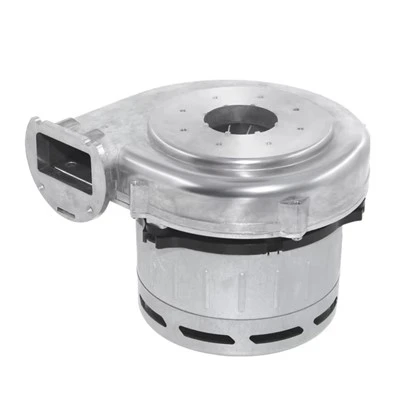
While not directly related to high wind handling, blowers play an important role in the overall operation of wind turbines. BLDC Suction Blower are used for various purposes, such as cooling the generator and lubricating the gearbox. These blowers ensure that the critical components of the turbine operate at optimal temperatures and conditions, improving their efficiency and reliability.
BLDC Blower for Dental Equipment may not be used in wind turbines directly, but the technology behind these blowers, such as efficient motor design and precise airflow control, can inspire innovations in wind turbine technology. Similarly, High Pressure Centrifugal Blower can be used for applications like cabin ventilation or air intake in the turbine's control system.
Conclusion
Wind turbines are designed to withstand a wide range of wind speeds, but high winds can pose significant challenges. By using a combination of pitch control, yaw control, braking systems, and advanced technologies like active flow control and structural monitoring, wind turbines can effectively handle high winds and operate safely and efficiently.
As a wind turbine supplier, I am committed to providing our customers with high-quality turbines that are equipped with the latest technologies for high wind management. If you are interested in purchasing wind turbines for your project or have any questions about our products, I encourage you to contact us for a purchasing negotiation. We look forward to working with you to achieve your renewable energy goals.
References
- "Wind Energy Explained: Theory, Design, and Application" by J.F. Manwell, J.G. McGowan, and A.L. Rogers
- "Wind Turbine Design: With Emphasis on Darrieus Concept" by Snaith, H.
- Industry reports on wind turbine technology and performance from leading research institutions.