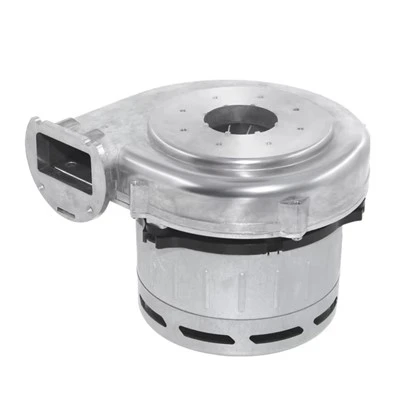
Hey there! As a supplier of Peripheral By Pass BLDC Blowers, I've seen firsthand how the materials used in these blowers can have a huge impact on their performance. In this blog post, I'm gonna break down the different materials commonly used in these blowers and explain how they affect the blower's performance.
The Basics of Peripheral By Pass BLDC Blowers
Before we dive into the materials, let's quickly go over what a Peripheral By Pass BLDC Blower is. These blowers are a type of brushless DC (BLDC) blower that uses a peripheral by-pass design. This design allows for high pressure and high flow rates, making them ideal for a variety of applications, including industrial ventilation, HVAC systems, and medical equipment.
The main components of a Peripheral By Pass BLDC Blower include the impeller, the motor, the housing, and the bearings. Each of these components is made from different materials, and the choice of materials can have a significant impact on the blower's performance.
The Impact of Materials on Performance
Impeller Materials
The impeller is the part of the blower that creates the airflow. It's typically made from materials like aluminum, plastic, or composite materials.
- Aluminum: Aluminum impellers are known for their high strength and durability. They can withstand high speeds and are resistant to corrosion. This makes them a great choice for applications where the blower will be exposed to harsh environments. However, aluminum impellers can be relatively heavy, which can increase the power consumption of the blower.
- Plastic: Plastic impellers are lightweight and inexpensive. They're also easy to manufacture, which makes them a popular choice for mass-produced blowers. However, plastic impellers may not be as durable as aluminum impellers and can be more prone to damage from high temperatures or chemicals.
- Composite Materials: Composite impellers combine the best of both worlds. They're lightweight like plastic but have the strength and durability of aluminum. Composite materials can also be designed to have specific properties, such as high heat resistance or low noise levels. However, composite impellers can be more expensive than plastic or aluminum impellers.
Motor Materials
The motor is the heart of the blower, and the materials used in the motor can have a big impact on its efficiency and performance.
- Stator Windings: The stator windings are typically made from copper or aluminum. Copper has a lower resistance than aluminum, which means it can conduct electricity more efficiently. This results in a more efficient motor with less heat generation. However, copper is more expensive than aluminum.
- Rotor Magnets: The rotor magnets are usually made from rare earth materials like neodymium. These magnets have a high magnetic field strength, which allows the motor to generate more torque and operate at higher speeds. However, rare earth materials are expensive and can be subject to supply chain issues.
Housing Materials
The housing of the blower protects the internal components and helps to direct the airflow. It's typically made from materials like plastic, metal, or fiberglass.
- Plastic: Plastic housings are lightweight, inexpensive, and easy to manufacture. They're also resistant to corrosion and can be molded into complex shapes. However, plastic housings may not be as strong as metal or fiberglass housings and can be more prone to damage from impact.
- Metal: Metal housings are strong and durable. They can withstand high temperatures and pressures and are resistant to impact. However, metal housings can be heavy and expensive, and they may require additional insulation to reduce noise levels.
- Fiberglass: Fiberglass housings are lightweight, strong, and resistant to corrosion. They're also good at reducing noise levels. However, fiberglass housings can be more expensive than plastic or metal housings and may require special handling during manufacturing.
Bearing Materials
The bearings support the rotating shaft of the motor and help to reduce friction. They're typically made from materials like steel, ceramic, or plastic.
- Steel: Steel bearings are strong and durable. They can withstand high loads and are resistant to wear. However, steel bearings can generate a lot of heat and may require lubrication to reduce friction.
- Ceramic: Ceramic bearings are lightweight and have a low coefficient of friction. They can operate at high speeds and are resistant to corrosion and wear. However, ceramic bearings can be more expensive than steel bearings and may be more brittle.
- Plastic: Plastic bearings are lightweight, inexpensive, and self-lubricating. They're also resistant to corrosion and can operate in wet or dirty environments. However, plastic bearings may not be as strong as steel or ceramic bearings and can be more prone to deformation under high loads.
Real-World Examples
To give you a better idea of how the materials can affect the performance of a Peripheral By Pass BLDC Blower, let's look at a few real-world examples.


Example 1: Industrial Ventilation
In an industrial ventilation application, the blower needs to be able to handle high temperatures and corrosive gases. A blower with an aluminum impeller, a copper stator winding, a metal housing, and steel bearings would be a good choice. The aluminum impeller is strong and corrosion-resistant, the copper stator winding is efficient, the metal housing can withstand high temperatures and pressures, and the steel bearings are durable.
Example 2: HVAC System
In an HVAC system, the blower needs to be quiet and energy-efficient. A blower with a composite impeller, a copper stator winding, a plastic housing, and ceramic bearings would be a good choice. The composite impeller is lightweight and has low noise levels, the copper stator winding is efficient, the plastic housing is lightweight and inexpensive, and the ceramic bearings have a low coefficient of friction.
Example 3: Medical Equipment
In a medical equipment application, the blower needs to be clean, quiet, and reliable. A blower with a plastic impeller, a copper stator winding, a plastic housing, and plastic bearings would be a good choice. The plastic impeller is easy to clean and lightweight, the copper stator winding is efficient, the plastic housing is easy to manufacture and can be designed to be cleanable, and the plastic bearings are self-lubricating and resistant to corrosion.
Conclusion
As you can see, the materials used in a Peripheral By Pass BLDC Blower can have a significant impact on its performance. When choosing a blower for your application, it's important to consider the specific requirements of your application and choose the materials that will best meet those requirements.
If you're in the market for a Peripheral By Pass BLDC Blower, we offer a wide range of options to choose from. Check out our 500W High Pressure BLDC Blower, High Prssure Small Centrifugal Blower, and Two Stage High Pressure BLDC Blower for more information.
If you have any questions or would like to discuss your specific needs, feel free to reach out to us. We're here to help you find the perfect blower for your application.
References
- "Brushless DC Motors and Controls" by Gregory M. Asher and M. A. Ehsani
- "Centrifugal Fans: Design and Application" by I. J. Kirschbaum