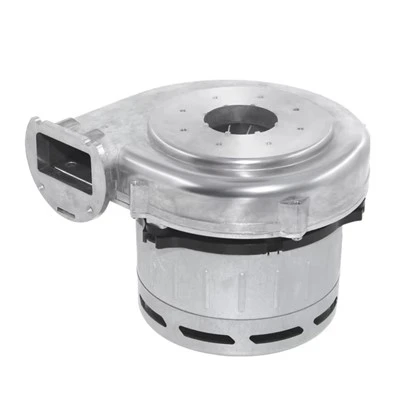
Can a Tangential Bypass Brushless Blower Be Used in a Cleanroom Environment?
As a supplier of Tangential Bypass Brushless Blowers, I often get asked whether our products can be used in cleanroom environments. Cleanrooms are highly controlled spaces where the concentration of airborne particles is strictly regulated. They are commonly used in industries such as semiconductor manufacturing, pharmaceuticals, biotechnology, and aerospace, where even the smallest particle can cause significant problems in the production process.
Understanding Cleanroom Requirements
Before delving into the suitability of Tangential Bypass Brushless Blowers for cleanrooms, it's essential to understand the key requirements of these environments. Cleanrooms are classified based on the number of particles per cubic meter at a specified particle size. For example, a Class 1 cleanroom allows no more than one particle of 0.1 micrometers or larger per cubic meter of air.
To maintain these strict particle counts, cleanrooms need ventilation systems that can provide a high volume of clean, filtered air. These systems must also be reliable, energy - efficient, and generate minimal vibrations and noise. Additionally, they should not introduce any contaminants into the cleanroom environment, such as dust, oil, or electromagnetic interference.
Features of Tangential Bypass Brushless Blowers
Tangential Bypass Brushless Blowers offer several features that make them potential candidates for cleanroom applications.

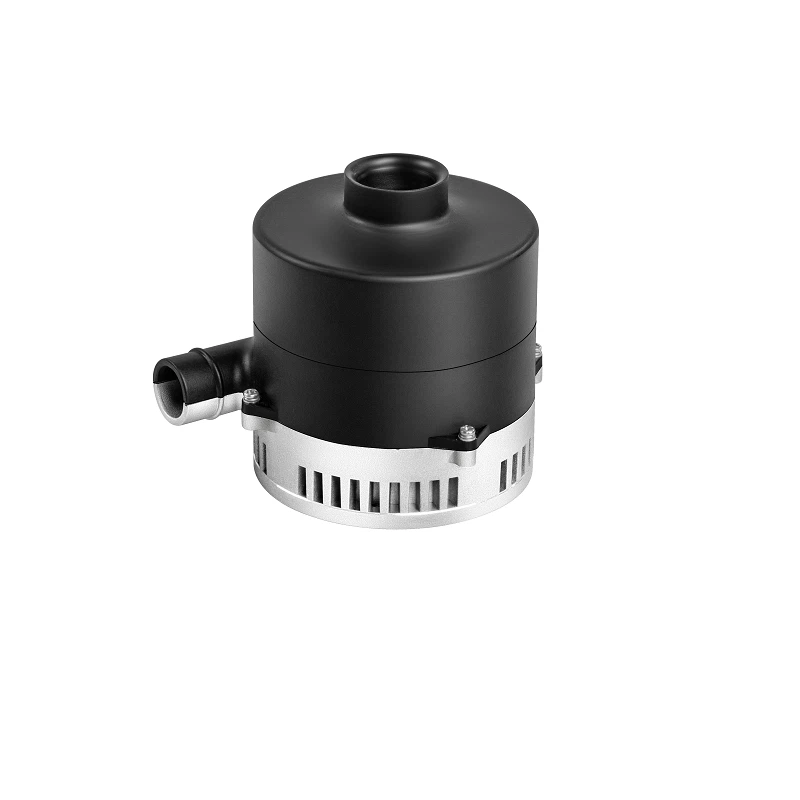
- Brushless Design: One of the most significant advantages of brushless blowers is that they eliminate the need for carbon brushes. In traditional brushed motors, the brushes wear down over time, producing carbon dust particles. This is a major concern in cleanroom environments as these particles can contaminate the air. With a brushless design, there is no such source of particle generation, reducing the risk of contamination.
- High Efficiency: Brushless motors are generally more energy - efficient than their brushed counterparts. They convert a higher percentage of electrical energy into mechanical energy, which means less heat is generated. This is beneficial in cleanrooms as excessive heat can affect the performance of sensitive equipment and also lead to the expansion of air, potentially disrupting the airflow patterns.
- Low Vibration and Noise: Tangential Bypass Brushless Blowers are designed to operate with minimal vibration and noise. Vibration can cause particles to become airborne, and excessive noise can be a distraction for cleanroom operators. The smooth operation of these blowers helps maintain a stable and quiet environment, which is crucial for cleanroom operations.
- Precise Airflow Control: These blowers can provide precise control over the airflow rate and pressure. This is important in cleanrooms, where the ventilation system needs to maintain a consistent and uniform airflow throughout the space. Precise airflow control ensures that all areas of the cleanroom receive an adequate supply of clean air, helping to maintain the desired particle concentration levels.
Specific Considerations for Cleanroom Use
While Tangential Bypass Brushless Blowers have many favorable features, there are still some specific considerations when using them in cleanroom environments.
- Materials and Construction: The materials used in the construction of the blower must be compatible with cleanroom requirements. For example, the housing should be made of materials that do not shed particles or outgas volatile organic compounds (VOCs). Stainless steel or high - grade plastics are often preferred materials for cleanroom - compatible blowers.
- Filtration: Even though the blower itself may not generate a significant amount of particles, it is still necessary to have proper filtration in place. The intake air should be filtered to remove any particles before it enters the blower. Additionally, the exhaust air may need to be filtered to prevent any potential contaminants from being released back into the cleanroom.
- Electromagnetic Compatibility (EMC): In some cleanroom applications, especially those involving sensitive electronic equipment, electromagnetic interference (EMI) can be a problem. Tangential Bypass Brushless Blowers should be designed to meet EMC standards to ensure that they do not interfere with the operation of other equipment in the cleanroom.
Real - World Applications
There are already several real - world examples of Tangential Bypass Brushless Blowers being used in cleanroom environments. In semiconductor manufacturing, these blowers are used to provide clean air for the lithography process, where even the slightest particle can cause defects in the semiconductor chips. In pharmaceutical production, they are used in cleanrooms for filling and packaging operations, ensuring that the products are not contaminated by airborne particles.
Our Product Offerings
As a supplier, we offer a range of Tangential Bypass Brushless Blowers that are suitable for cleanroom applications. Our 24V High Pressure BLDC Blower provides high - pressure airflow, making it ideal for applications where a strong air current is required. The 24V 36V Tangential By Pass BLDC Blower offers flexibility in terms of voltage options, allowing for easier integration into different cleanroom systems. And our Peripheral By Pass BLDC Blower is designed with a unique peripheral bypass mechanism, which can optimize the airflow and pressure characteristics.
Conclusion
In conclusion, Tangential Bypass Brushless Blowers can be used in cleanroom environments, provided that they are carefully selected and installed with proper consideration for cleanroom requirements. Their brushless design, high efficiency, low vibration, and precise airflow control make them attractive options for cleanroom ventilation systems. However, factors such as materials, filtration, and electromagnetic compatibility must be taken into account to ensure that they do not introduce any contaminants or interfere with the operation of other equipment in the cleanroom.
If you are looking for a reliable ventilation solution for your cleanroom, we invite you to contact us to discuss your specific requirements. Our team of experts can help you select the most suitable Tangential Bypass Brushless Blower for your application and provide you with all the necessary support for installation and maintenance.
References
- "Cleanroom Technology Handbook" by Andrew Kenworthy.
- "Fundamentals of Semiconductor Manufacturing and Process Control" by Gabriel Saucier.
- "Pharmaceutical Cleanroom Technology" by Roger Williams.